

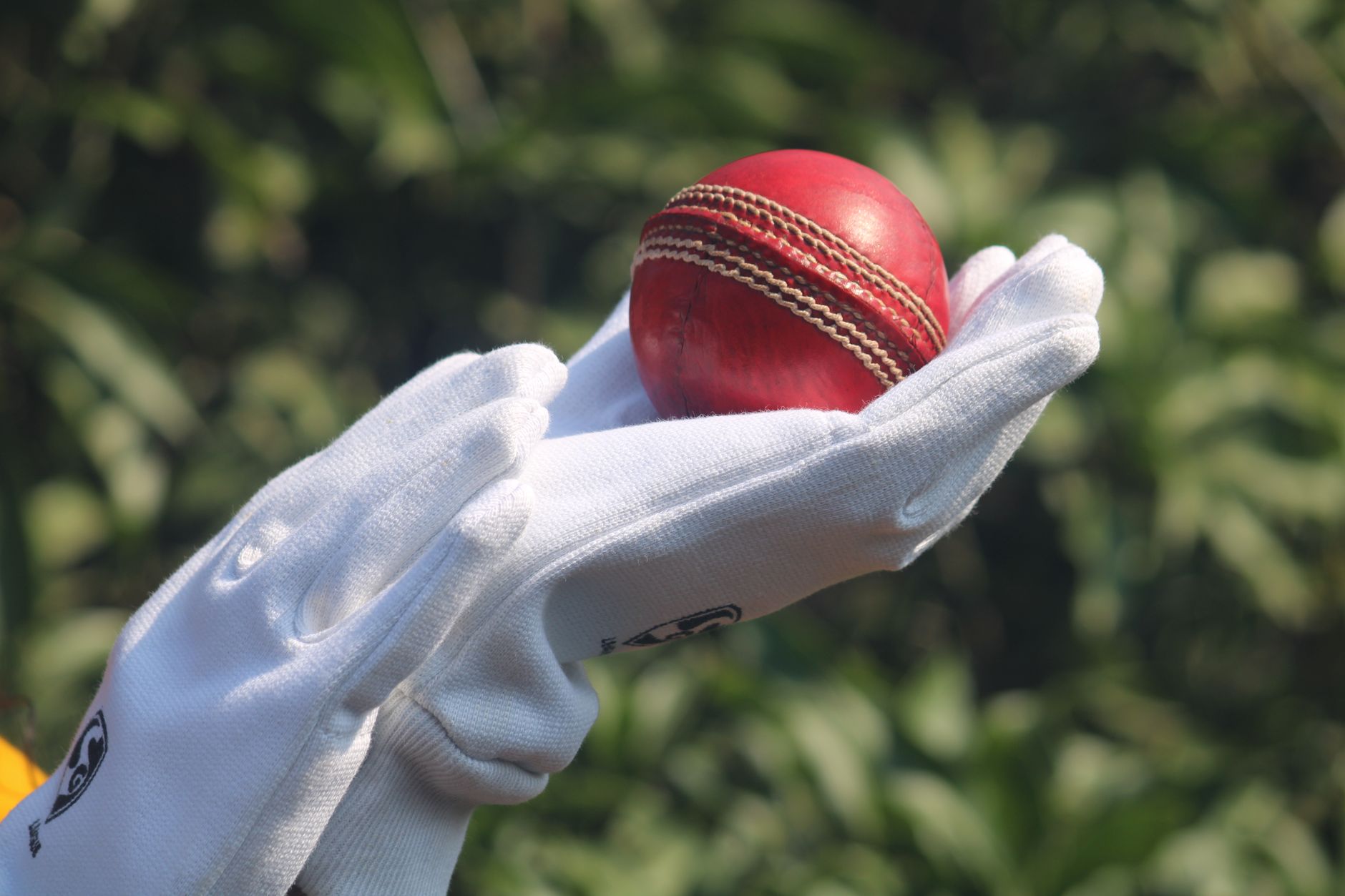







T20 franchise leagues are becoming a focal point as the ICC plans to exercise greater control over these competitions. This move aims to enhance regulation and standardization across the board.
Understanding the ICC’s Role in T20 Leagues
The International Cricket Council (ICC) is set to enhance its influence over T20 franchise leagues, a move viewed as a strategic initiative to maintain the integrity and growth of the sport. By establishing clearer regulations and frameworks, the ICC aims to ensure that these leagues operate in alignment with international standards.
In this evolving landscape, the ICC’s involvement can be pivotal for several reasons:
- Consistency: Greater control will help standardize rules and regulations across various leagues, ensuring a uniform playing experience.
- Player Welfare: The ICC’s oversight can lead to better management of player workload and safety protocols.
- Financial Transparency: Enhanced regulation can promote ethical financial practices within T20 franchise leagues, protecting stakeholders.
- Global Growth: By guiding the development of these leagues, the ICC can foster a more inclusive global cricketing environment.
This strategic move underscores the ICC’s commitment to both the sport’s expansion and its foundational values.
Impact of Greater Control on Franchise Leagues
The International Cricket Council’s (ICC) decision to exercise greater control over T20 franchise leagues is set to reshape the landscape of professional cricket. This shift aims to enhance governance and ensure uniformity across various leagues, ultimately benefiting players, fans, and stakeholders alike.
One significant impact of this increased oversight is the potential for improved financial stability within the leagues. By standardizing regulations and financial practices, the ICC can help mitigate the financial risks that often accompany franchise competitions. This could lead to:
- Enhanced Player Protections: Ensuring that players receive fair compensation and are safeguarded from exploitation.
- Increased Investment: Attracting more sponsors and investors, knowing there is a structured framework in place.
- Greater Transparency: Providing clear guidelines and oversight that enhance the integrity of the leagues.
Ultimately, the ICC’s initiative could foster a more sustainable and reputable environment for T20 franchise leagues, paving the way for their continued growth and global appeal.
What This Means for Players and Teams
The recent decision by the ICC to exert greater control over T20 franchise leagues signals a significant shift for both players and teams involved in these competitions. This move aims to streamline operations and ensure a more structured environment for all stakeholders.
For players, this means enhanced security and clearer contracts, as the ICC’s oversight can lead to standardized agreements that protect their rights and interests. With the governing body stepping in, athletes can expect improved working conditions and fairer compensation structures.
Teams, on the other hand, will benefit from a more organized framework that could lead to better scheduling and reduced conflicts with international fixtures. This unified approach allows franchises to focus on developing talent and enhancing the overall quality of T20 cricket.
In conclusion, the ICC’s involvement in T20 franchise leagues is poised to create a more equitable environment, ensuring that both players and teams can thrive under a cohesive governance model.
Historical Context of T20 Franchise Leagues
The rise of T20 franchise leagues has revolutionized the cricketing landscape since their inception in the mid-2000s. Initially, these leagues were seen as a way to attract new audiences and generate revenue through entertainment and sponsorships. However, as the popularity grew, so did the challenges associated with governance and regulation.
The International Cricket Council (ICC) initially took a hands-off approach, allowing individual leagues to operate independently. This led to a diverse range of competitions, like the Indian Premier League (IPL) and the Big Bash League (BBL), each contributing to the global appeal of T20 cricket. Nevertheless, the lack of unified control often resulted in scheduling conflicts, player availability issues, and inconsistent standards.
Recognizing these challenges, the ICC’s recent move to exercise greater control over T20 franchise leagues aims to streamline operations, ensuring a more cohesive framework. This shift is expected to preserve the integrity of the game while enhancing the overall experience for fans, players, and teams alike.
Fan Reactions to ICC’s New Plans
As the ICC announces its plans to exercise greater control over T20 franchise leagues, fan reactions have been varied and passionate. Many supporters of the sport express their enthusiasm for a more organized structure, believing it could lead to improved quality and competitiveness in these leagues.
One fan, Jacob, stated, “Stronger oversight from the ICC will ensure that the spirit of the game is upheld, especially in franchise leagues where commercial interests often overshadow sporting integrity.” However, not all feedback has been positive. Some fans are concerned that increased regulation might stifle the creativity and excitement that have made the T20 format so popular.
Additionally, a survey conducted by a sports website revealed that 65% of respondents support the ICC’s initiative, citing a desire for better scheduling and reduced player burnout. As discussions continue, it remains to be seen how these changes will impact the landscape of T20 franchise leagues in the coming years.
Potential Challenges Ahead for the ICC
As the ICC moves to exert greater control over T20 franchise leagues, several potential challenges loom on the horizon.
One significant concern is the balance between governance and the autonomy of existing leagues. Many franchises have established their own identities and operational structures, which could be disrupted by ICC intervention.
Moreover, the diverse regulatory environments across different countries may complicate the implementation of uniform standards.
Another challenge lies in maintaining the delicate relationship with players. As the governing body tightens its grip on T20 franchise leagues, players may feel marginalized or face conflicts regarding their participation in various competitions.
Additionally, fan engagement is crucial. The ICC must ensure that its control does not alienate spectators who cherish the unique characteristics of individual leagues.
These challenges highlight the complexities the ICC will face as it navigates the evolving landscape of T20 franchise leagues.
Comparing T20 Leagues Worldwide
The landscape of cricket has been significantly shaped by the rise of T20 franchise leagues worldwide. These leagues have not only elevated the profile of the sport but also introduced a new revenue model, attracting players and audiences alike.
Among the most prominent T20 franchise leagues are:
- Indian Premier League (IPL) – Often regarded as the gold standard, the IPL has transformed cricket into a lucrative entertainment venture.
- Big Bash League (BBL) – Australia’s premier T20 competition, known for its festive atmosphere and engaging matches.
- Caribbean Premier League (CPL) – Celebrated for its vibrant culture and high-energy games, drawing fans from across the globe.
- Pakistan Super League (PSL) – Gaining traction for its competitive spirit and showcasing local talent.
As the ICC plans to exercise greater control over T20 franchise leagues, the dynamics could shift, potentially impacting how these leagues operate and their future growth trajectory.
Future of T20 Franchise Cricket
The future of T20 franchise cricket is poised for significant transformation as the ICC implements its new strategies. With a focus on enhancing the structure and governance of T20 franchise leagues, the ICC aims to create a more standardized framework. This move is expected to promote stability and attract investment, benefiting teams and players alike.
As the landscape evolves, franchises will likely face increased scrutiny regarding player contracts and financial practices. The ICC’s initiative could also lead to improved scheduling, ensuring that T20 leagues do not conflict with international fixtures, thus preserving the integrity of the cricket calendar.
Moreover, the emphasis on greater control may facilitate stronger collaboration among member nations, enabling shared resources and talent development. In this dynamic environment, the role of franchises will be crucial in shaping the future of T20 cricket, as they adapt to the ICC’s frameworks while striving to maintain their unique identities.
Photo by Manoj Poosam on Pexels