

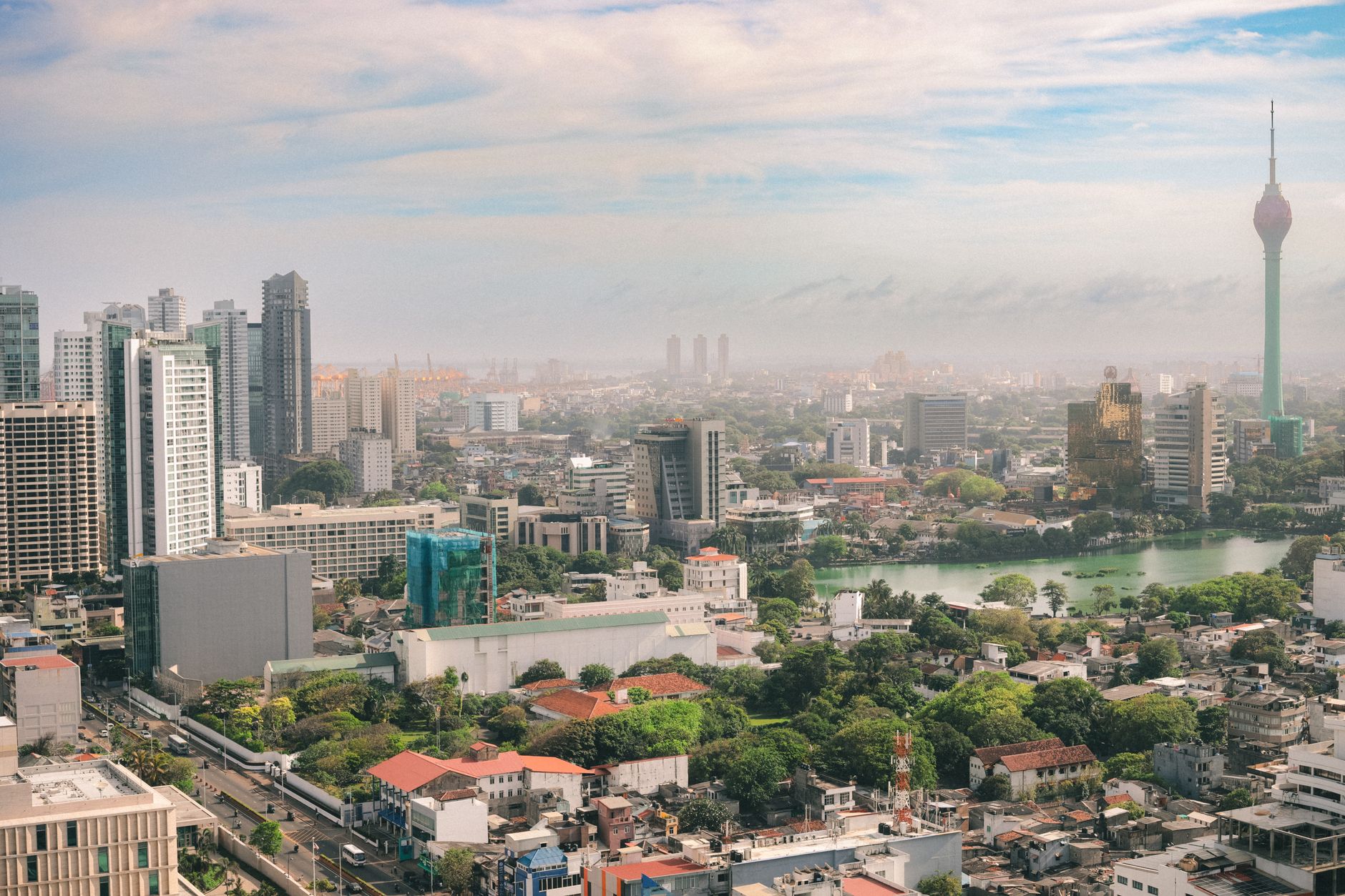


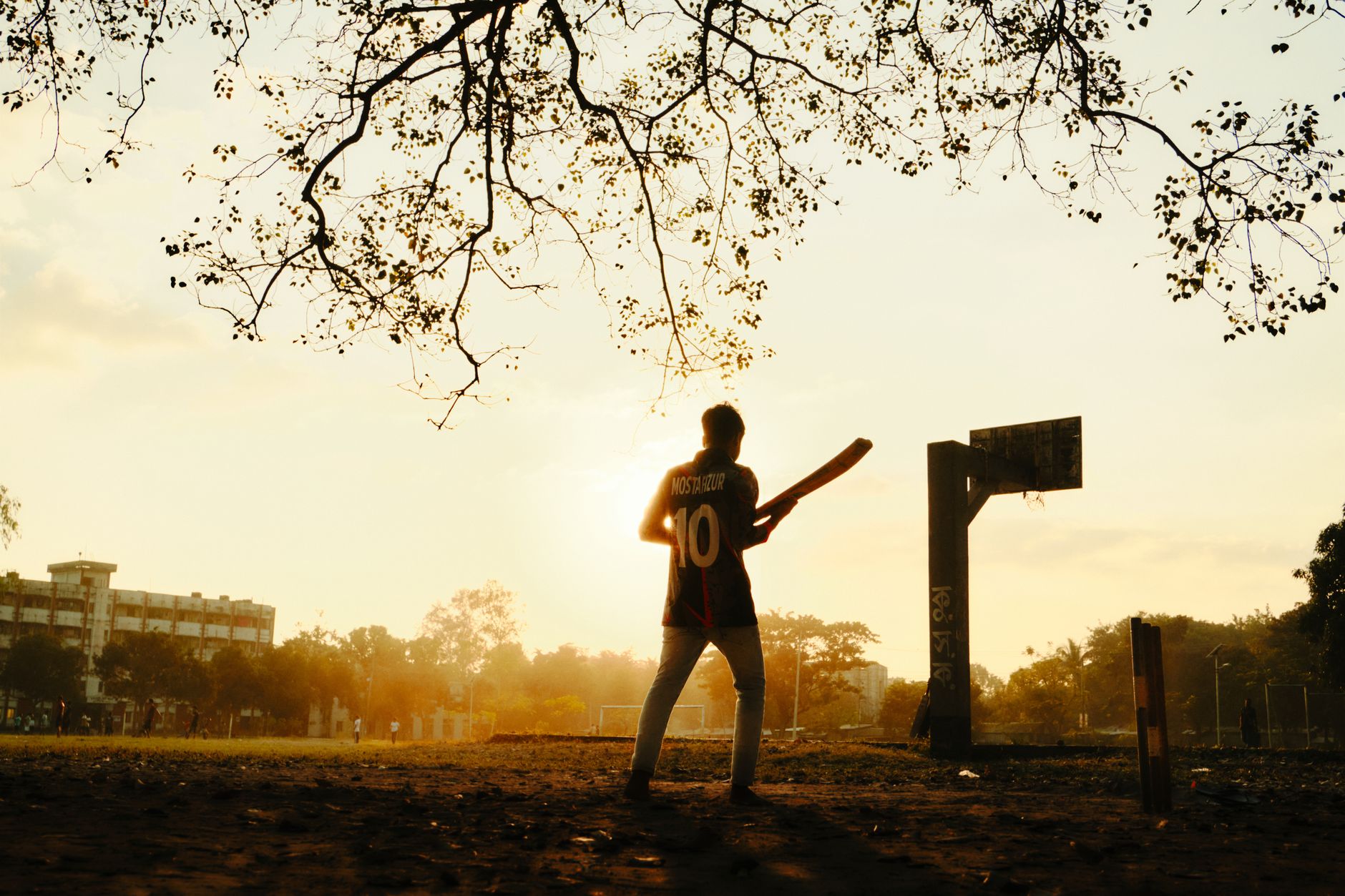

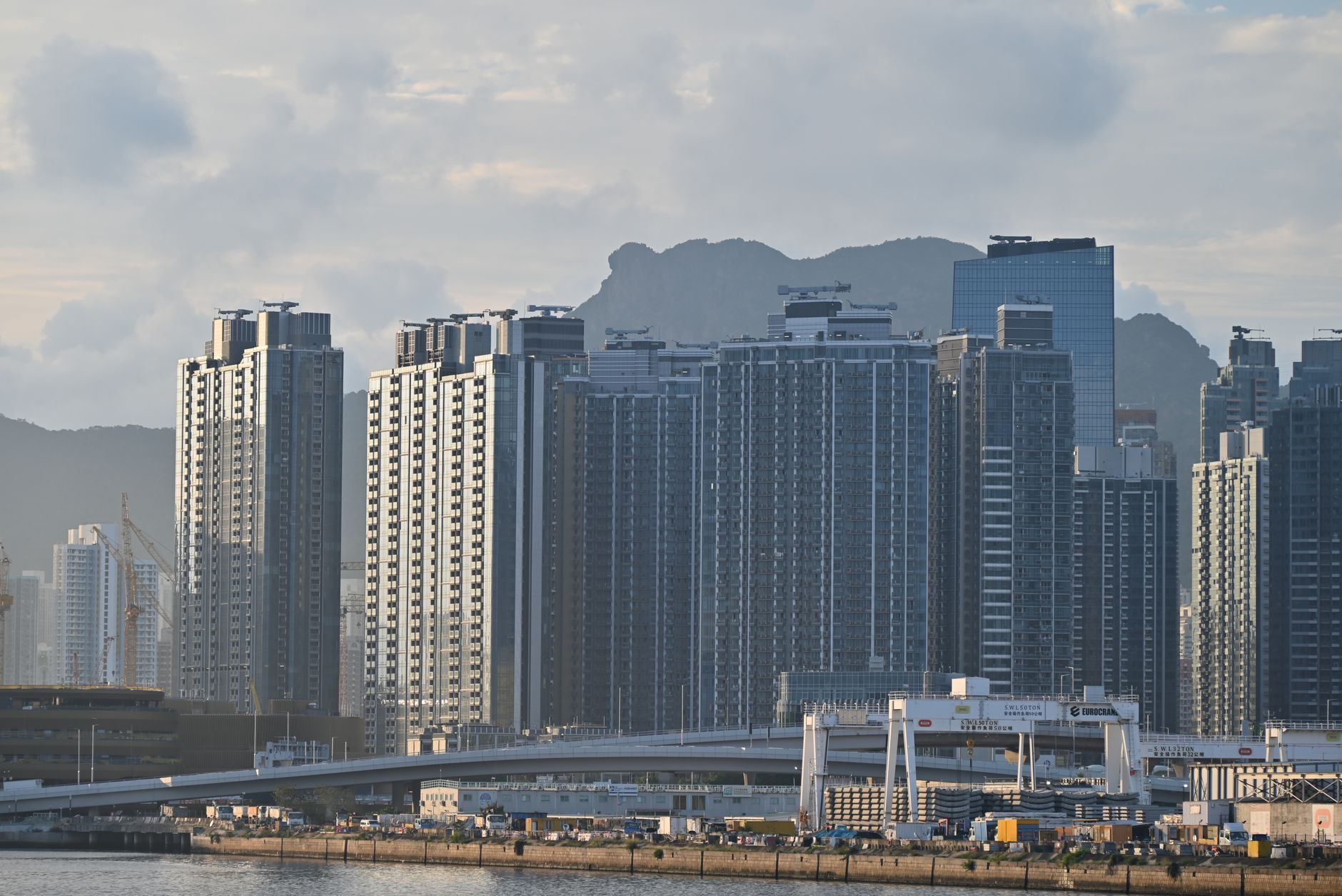


Sri Lanka Test smog has prompted Pakistan to move the second Test to Rawalpindi. This decision highlights the ongoing challenges posed by environmental conditions in cricket.
Overview of the Sri Lanka Test
The recent Sri Lanka Test has been overshadowed by severe smog conditions, prompting significant changes in the cricketing landscape. Originally scheduled to take place in Lahore, the match was moved to Rawalpindi due to the worsening air quality that had raised concerns among players and officials alike.
Smog has become a recurrent issue in the region, particularly during the winter months, and this latest incident has sparked discussions on how environmental factors can impact sporting events. The decision to relocate the Test match reflects a growing awareness of the dangers posed by poor air quality, especially for athletes who require optimal conditions to perform at their best.
The Pakistan cricket board made the announcement following consultations with the Sri Lankan team management, emphasizing their commitment to player safety. As a result, fans are now gearing up for the match in Rawalpindi, where conditions are expected to be more favorable compared to Lahore.
Key highlights surrounding the match include:
- Relocation: The shift from Lahore to Rawalpindi due to health concerns.
- Player Safety: The importance of ensuring athletes’ well-being amid environmental challenges.
- Future Considerations: Potential long-term effects of smog on cricket scheduling.
As the Sri Lanka Test unfolds in Rawalpindi, all eyes will be on how players adapt to the new environment and whether they can deliver a thrilling contest despite the challenges posed by the smog.
Reasons for Venue Change
The decision to move the second Sri Lanka Test from Lahore to Rawalpindi was primarily influenced by the worsening air quality, particularly the smog that has enveloped the region. Several key reasons contributed to this venue change.
- Health Concerns: Players and officials expressed growing concerns over the potential health risks associated with competing in hazardous air conditions. The impact of the Sri Lanka Test smog on players’ respiratory health and overall performance was a significant factor in the decision.
- Player Safety: The International Cricket Council (ICC) prioritizes player safety, and with air quality levels reaching alarming levels, it was deemed unsafe for players to participate in Lahore.
- Public Perception: The visibility issues caused by the smog could lead to a subpar spectator experience, affecting fan engagement and the overall atmosphere of the match. Moving to a location with clearer air was seen as beneficial for both players and fans.
- Logistical Challenges: The logistical complexities of organizing a Test match in such conditions also played a role. The potential for delays or cancellations due to weather-related issues made Rawalpindi a more viable option.
In summary, the combination of health risks, player safety, public perception, and logistical concerns prompted the change of venue for the Sri Lanka Test.
Impact of Smog on Players
The recent shift in the venue for the Sri Lanka Test has drawn attention to the severe impact of smog on players’ performance and well-being. As teams adapt to the challenging conditions, the health risks associated with prolonged exposure to polluted air have become a significant concern.
Players are frequently exposed to smog, which can lead to various health issues, including respiratory problems and fatigue. This has prompted teams to reassess their training and playing strategies in order to minimize risks. The decision to move the second Test to Rawalpindi from Lahore was largely influenced by these adverse conditions. The team management is prioritizing player health over logistical challenges.
In addition to health impacts, the quality of play can also diminish under such conditions. Players may struggle with visibility, affecting their performance on the field. The psychological toll of competing in less than ideal circumstances cannot be underestimated, as players feel pressure to perform despite the environmental challenges.
Coaches and support staff are now implementing strategies to help players cope with the effects of smog. These may include:
- Increased hydration to combat dehydration
- Adjusting training schedules to avoid peak pollution times
- Utilizing protective gear and respiratory aids
As the cricket community navigates these unprecedented challenges, the focus remains on ensuring player safety while still delivering an exciting match experience.
Historical Context of Smog in Cricket
The issue of smog impacting cricket matches is not new, with numerous instances recorded throughout history. In recent years, the phenomenon has gained more attention, particularly in countries like Sri Lanka, where air quality can drastically deteriorate due to a combination of weather conditions and pollution.
Historically, cricket has faced challenges from various environmental factors, including rain, extreme heat, and, more recently, smog. Smog can severely affect visibility and player performance, leading to concerns regarding player safety and match integrity. The phenomenon became particularly pronounced during the late 2010s, with reports of reduced air quality affecting both players and spectators during matches.
In Sri Lanka, the combination of urban pollution and seasonal weather patterns has made smog a recurring issue. As the country hosts international matches, the risk of poor air quality can lead to significant disruptions. The decision to move the second Sri Lanka Test to Rawalpindi from Lahore underscores the severity of these conditions. This move reflects a growing awareness of environmental factors that can impact the sport.
In the context of the Sri Lanka Test smog, it is essential to consider the implications for the future of cricket. As climate change continues to affect weather patterns globally, the sport may need to adapt to ensure player safety and maintain the quality of the game.
Fan Reactions to the Move
Fans have expressed a mix of disappointment and understanding regarding the recent decision to relocate the second Sri Lanka Test due to the severe smog conditions affecting Lahore. Many took to social media to voice their opinions on the move, with some highlighting the implications for both teams and the overall cricketing experience.
- Disappointment in Relocation: A segment of the fanbase expressed sadness over the change, citing the rich cricketing atmosphere Lahore is known for. One fan tweeted, “It’s disheartening to lose the iconic Gaddafi Stadium for such an important match. The energy of the crowd is unmatched.”
- Support for Player Safety: Conversely, many supporters voiced their approval, emphasizing the importance of player health. “Smog can have serious health effects, and it’s wise to prioritize the players’ well-being over a venue,” noted a cricket enthusiast on a popular forum.
- Expectation for Rawalpindi: Fans are curious about the conditions in Rawalpindi, with some questioning whether the smog will similarly impact the match there. “I hope the conditions are better; the last thing we need is another game overshadowed by smog,” remarked another follower.
Overall, the fan reactions to the venue change have highlighted the complex relationship between environmental factors and the sport, with the Sri Lanka Test smog serving as a notable example of these challenges.
Comparative Analysis of Lahore and Rawalpindi
The decision to relocate the second Sri Lanka Test from Lahore to Rawalpindi has ignited discussions about the comparative conditions of both cities, particularly concerning smog. Lahore, often notorious for its severe air pollution, is no stranger to smog-related disruptions, especially during the winter months. In contrast, Rawalpindi has been perceived as a relatively better option, with less severe smog conditions historically.
One of the critical factors in this comparative analysis is the air quality index (AQI) levels reported in both cities. On many days, Lahore’s AQI has soared above 300, categorizing it as hazardous. In comparison, Rawalpindi’s levels tend to hover around 150, which, while still unhealthy, poses less immediate risk to players and spectators. This stark difference plays a crucial role in the decision-making process regarding venue selections for international matches.
Moreover, the infrastructure and facilities available at both venues also contribute to the overall experience for players and fans alike. Rawalpindi’s ground offers adequate amenities and has been praised for its pitch quality, which could offset some disadvantages posed by the lingering smog. Ultimately, while the move may seem like a logistical adjustment, it underscores the pressing issue of air quality and its impact on sporting events, particularly in the context of the Sri Lanka Test smog.
Future Implications for Cricket
The recent decision to relocate the Sri Lanka Test due to the severe smog in Lahore raises significant concerns about the future of cricket in similarly affected regions. As environmental issues escalate around the world, cricket boards must reconsider their scheduling and venue choices to prioritize player safety and match integrity.
Future implications for cricket are manifold:
- Player Health: Continued exposure to hazardous conditions can lead to long-term health issues for players. Ensuring a safe playing environment must become a priority for cricket authorities.
- Venue Viability: Regions frequently affected by extreme weather conditions, such as smog, may see a decline in their reputation as viable cricket venues. This could impact tourism and local economies that benefit from hosting international matches.
- Adaptation Strategies: Cricket boards may need to implement new strategies, such as adjusting match timings or selecting alternative venues during high-risk periods, to mitigate the impact of poor air quality.
- Fan Engagement: As conditions worsen, fan experience could suffer, leading to decreased attendance and viewership. Maintaining public interest in the sport will require proactive measures to address these environmental challenges.
Ultimately, the Sri Lanka Test smog incident serves as a cautionary tale, emphasizing the urgent need for the global cricket community to adapt and respond to environmental changes.
Conclusion on Smog and Sports
As the cricketing world grapples with the alarming environmental conditions, the recent shift of the Sri Lanka Test to Rawalpindi highlights a growing concern over the impact of smog on sports. The decision to relocate the Test match underscores the urgency for cricket boards to prioritize player safety amid worsening air quality.
Smog, particularly during the winter months, has become a recurring issue in South Asia, affecting not only cricket but various outdoor sports. In this context, the Sri Lanka Test smog serves as a wake-up call for cricket authorities. It brings to light the necessity of implementing stricter regulations regarding air quality standards during sporting events.
The implications of such environmental challenges extend beyond immediate health concerns for players. The integrity of the game and the experience of fans are also at stake. With increasing awareness of climate change and pollution, the cricket community must adopt proactive measures to mitigate these risks.
- Enhancing Player Safety: Prioritizing health protocols and air quality assessments.
- Future Venue Selection: Considering long-term impacts on player performance and audience experience.
- Awareness Campaigns: Educating stakeholders about the effects of smog on sports.
Ultimately, addressing the issue of smog in cricket is crucial for preserving the sport’s integrity and ensuring a safe environment for all involved.
The Sri Lanka Test smog has raised concerns among players and officials about the potential health risks associated with playing in such hazardous conditions. As the Sri Lanka Test smog continues to linger, discussions about scheduling adjustments for future matches are becoming increasingly urgent.
Photo by Sofiia Asmi on Pexels
Sources
You might also like
Pant clearance news: Is it the right time for NZ Tests? · FCT Lottery Regulatory Office: Clear Guidelines for Operators · Bangladesh Uncapped Player: Proven Talent for South Africa Tests