







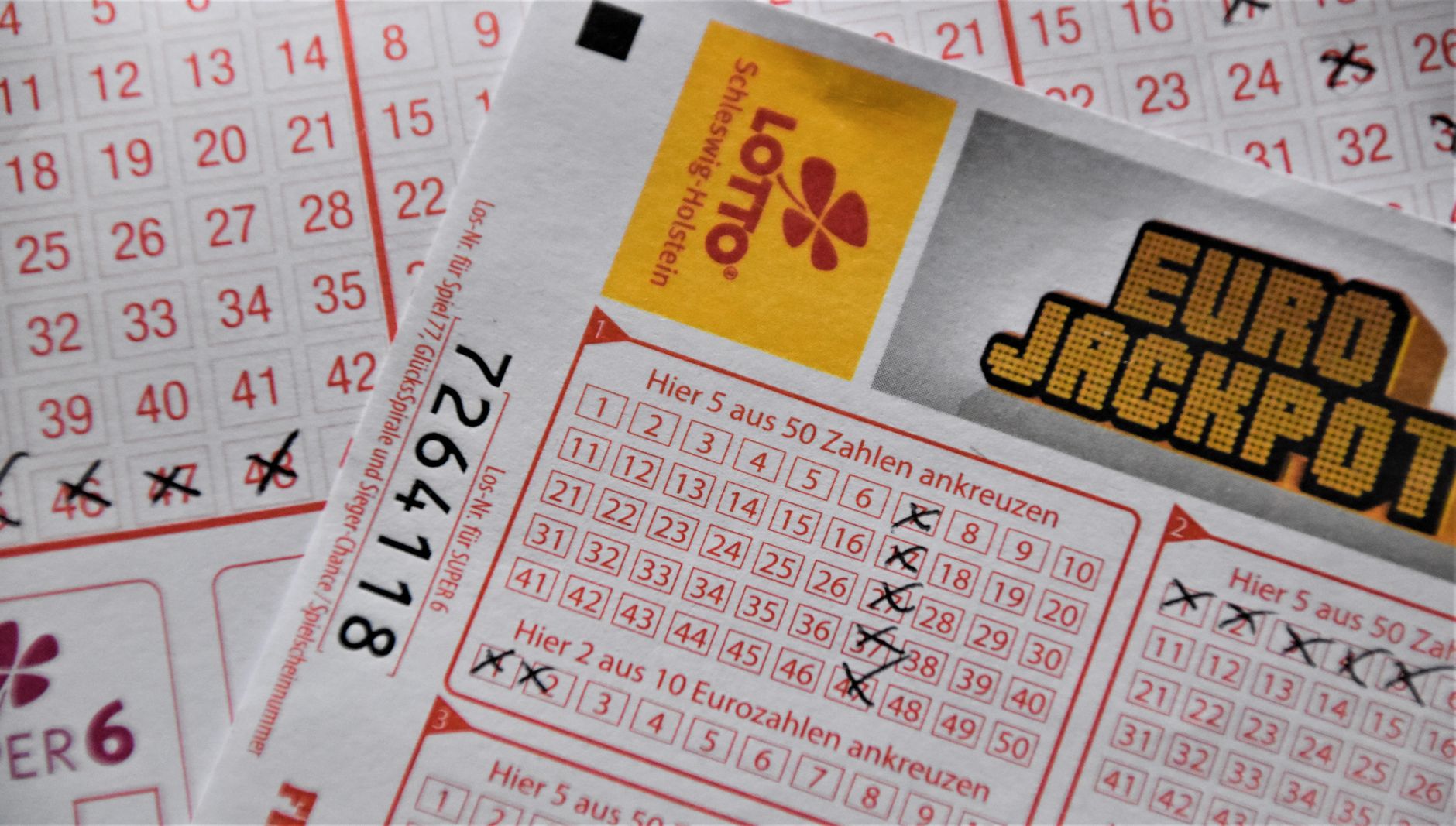

European gambling challenges are at the forefront of discussions at the SBC Summit Europe. The event highlights the regulatory hurdles that operators face in this evolving market.
Overview of Regulatory Challenges
The landscape of European gambling is currently facing significant regulatory challenges that could reshape its future. Various countries are implementing stringent measures aimed at consumer protection, which, while beneficial, may pose difficulties for operators.
Key issues highlighted at the recent SBC Summit Europe include:
- Inconsistent Regulations: Different countries have varying laws, leading to confusion for operators trying to comply across multiple jurisdictions.
- Taxation Issues: High tax rates in certain regions can deter investment and affect profitability, making it harder for businesses to thrive.
- Responsible Gambling Measures: Increasing pressure to implement stringent responsible gambling initiatives may burden smaller operators with additional costs.
- Technological Adaptation: Rapid advancements in technology require constant adaptation of regulations, putting pressure on regulatory bodies to keep up.
These European gambling challenges necessitate collaboration between stakeholders to create a more cohesive regulatory environment that supports both operators and consumers.
Impact on Operators
The European gambling challenges have significant implications for operators navigating an increasingly complex regulatory landscape. As regulations tighten across various jurisdictions, operators face the daunting task of compliance, which can strain resources and complicate business models.
Key impacts include:
- Increased Compliance Costs: Operators may need to invest heavily in technology and personnel to meet regulatory requirements.
- Market Entry Barriers: Stricter regulations can hinder new entrants from launching, limiting competition and innovation.
- Legal Risks: Non-compliance can lead to severe penalties, including hefty fines and the revocation of licenses.
- Consumer Trust: Heightened regulations can bolster consumer confidence but may also lead to confusion if not effectively communicated.
As operators grapple with these challenges, they must adapt their strategies to ensure sustainability in a rapidly evolving market.
Key Stakeholders Involved
In the evolving landscape of European gambling challenges, several key stakeholders play a crucial role in shaping the regulatory framework. These stakeholders include:
- National Governments – Responsible for creating and enforcing laws specific to their jurisdictions, they often vary widely in their approach to gambling regulation.
- Regulatory Authorities – These bodies oversee compliance and ensure that operators adhere to legal requirements, thus maintaining market integrity.
- Operators – Companies providing gambling services must navigate complex regulations, which can differ significantly across European markets.
- Consumer Advocacy Groups – These organizations work to protect players’ rights and promote responsible gambling practices, influencing regulatory discussions.
- Industry Associations – Representing the interests of operators and stakeholders, they advocate for fair regulations and provide a platform for collaboration.
As these stakeholders interact, the ongoing dialogue will be essential in addressing the challenges faced by the European gambling sector.
Future Trends in Gambling
As the landscape of European gambling continues to evolve, several key trends are emerging that could significantly impact the industry. Stakeholders must remain vigilant as they navigate these changes, particularly in light of the ongoing European gambling challenges.
One notable trend is the increasing emphasis on responsible gambling. Regulators are pushing for stricter measures to protect players, which could lead to more comprehensive policies being implemented across various jurisdictions.
Another important factor is the rise of technology-driven solutions. Innovations such as artificial intelligence and blockchain are being adopted to enhance transparency and security within the gambling sector.
Additionally, we are witnessing a shift towards harmonization of regulations across Europe. This could potentially simplify compliance for operators but may also create challenges in aligning diverse regulatory frameworks.
As these trends unfold, industry participants will need to adapt strategically to thrive in a rapidly changing environment.
Comparative Analysis of Markets
The landscape of European gambling is marked by a variety of regulatory challenges that differ significantly from one market to another. Each country presents unique obstacles that operators must navigate, leading to a complex environment for compliance.
Countries like Sweden and Italy have implemented strict advertising regulations, while others, such as Germany, are still in the process of refining their licensing frameworks. This inconsistency can create confusion for operators seeking to expand their services across borders.
Key issues include:
- Licensing Requirements: Variability in application processes and fees.
- Taxation Policies: Different tax rates impacting profitability.
- Player Protection Measures: Stricter rules in some regions leading to operational hurdles.
As European gambling challenges continue to evolve, stakeholders must adapt to these regulatory differences to ensure sustainable growth in the industry.
Expert Opinions on Solutions
At the recent SBC Summit Europe, industry experts shared their insights on potential solutions to the pressing European gambling challenges that operators face today. Panelists emphasized the need for a unified regulatory framework that balances consumer protection with market flexibility.
One suggestion was to enhance collaboration among European nations to streamline regulations, which could reduce confusion for operators and improve compliance. Additionally, experts highlighted the importance of incorporating technological innovations, such as AI and blockchain, to enhance transparency and accountability in the gambling sector.
Another critical point raised was the need for ongoing education and training for regulators, ensuring they remain informed about industry trends and challenges. This could foster a more adaptive regulatory environment, better equipped to address emerging issues.
Ultimately, the consensus among experts was clear: addressing the European gambling challenges will require a concerted effort from all stakeholders to create a sustainable and responsible gambling landscape.
Conclusion and Recommendations
In conclusion, the landscape of European gambling challenges is rapidly evolving, presenting both obstacles and opportunities for stakeholders. As regulations tighten across various jurisdictions, operators must adapt their strategies to ensure compliance while maintaining profitability.
Recommendations for navigating these regulatory issues include:
- Enhancing Collaboration: Stakeholders should work together to create a cohesive regulatory framework that supports responsible gambling.
- Investing in Technology: Embracing innovative technologies can help operators meet compliance standards and improve user experience.
- Staying Informed: Continuous education on regulatory changes is essential for operators to anticipate and respond effectively to new challenges.
- Prioritizing Player Protection: Implementing robust measures for player safety and responsible gambling practices will be crucial in maintaining trust and credibility.
By proactively addressing these European gambling challenges, the industry can pave the way for a more sustainable and secure future.
Photo by cottonbro studio on Pexels