




Refinishing veneer furniture can breathe new life into your space. How to refinish veneer? With the right tools and technique, it’s a rewarding DIY project. Understanding the process and following a few simple steps can give your furniture a fresh, updated look. Get ready to transform your piece into a stunning focal point with our expert tips and guidance.

How to Refinish Veneer: A Comprehensive Guide
Introduction to Veneer Refinishing
Veneer is a thin layer of real wood that is often applied to furniture pieces to give them a beautiful finish. Over time, the veneer can become worn out, scratched, or faded, detracting from the overall appearance of the furniture. Refinishing veneer is a great way to breathe new life into your furniture and restore its original beauty. In this guide, we will walk you through the process of refinishing veneer step by step, so you can tackle this DIY project with confidence.
Materials Needed
Before you begin the veneer refinishing process, gather all the necessary materials. You will need:
- Sandpaper in various grits (80, 120, 220)
- Wood filler
- Paint scraper
- Primer
- Paint or stain
- Paintbrushes or foam rollers
- Protective gear (gloves, goggles, mask)
- Clean rags
- Mineral spirits
Preparing the Surface
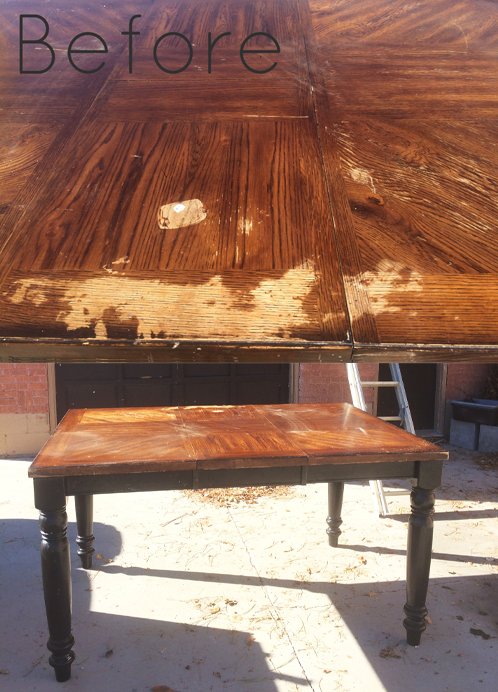
The first step in refinishing veneer is to prepare the surface. Start by removing any hardware such as knobs or handles from the furniture piece. Use a paint scraper to gently remove any old paint or finish from the veneer. If there are any dents or scratches, fill them with wood filler and sand the surface smooth.
Sanding the Veneer
Sanding is a crucial step in the refinishing process as it helps to smooth out the surface and remove any imperfections. Start by using 80-grit sandpaper to sand the veneer in the direction of the grain. Gradually move to a higher grit, such as 120 or 220, for a smoother finish. Be sure to sand evenly and avoid applying too much pressure, as this can damage the veneer.
Applying Primer
Once the veneer is sanded and smooth, it’s time to apply a primer. A good quality primer will help the paint or stain adhere better to the surface and provide a more durable finish. Use a paintbrush or foam roller to apply the primer in thin, even coats. Allow the primer to dry completely before moving on to the next step.
Painting or Staining the Veneer
Now comes the fun part – adding color to your refinished veneer! You can choose to paint the veneer for a fresh, modern look, or stain it to enhance the natural beauty of the wood. Use a paintbrush or foam roller to apply the paint or stain in thin, even coats, following the grain of the wood. Allow each coat to dry before applying the next one for a smooth finish.
Finishing Touches
Once the paint or stain is dry, you can add any finishing touches to your refinished veneer furniture. Consider applying a clear coat of polyurethane for added protection and a glossy finish. Reattach any hardware that you removed earlier, and your refinished veneer furniture is ready to be enjoyed for years to come!
Refinishing veneer furniture is a rewarding DIY project that can transform your old, worn-out pieces into beautiful focal points in your home. By following the steps outlined in this guide and using the right materials and techniques, you can successfully refinish veneer furniture with ease. So roll up your sleeves, gather your supplies, and get ready to give your furniture a fresh new look!
Midcentury Modern Furniture Flip | How to Restore Wood Veneer to a Natural Wood Finish!
Frequently Asked Questions
How can I prepare a veneer surface for refinishing?
To refinish veneer, start by cleaning the surface thoroughly with a mild detergent and water. Sand the veneer lightly with fine-grit sandpaper to remove any existing finish or imperfections. Make sure to wipe away any dust before proceeding with the refinishing process.
What should I consider when choosing the right finish for refinishing veneer?
When selecting a finish for refinishing veneer, consider factors such as the type of wood veneer, the desired level of shine, and the durability needed for the piece. Options include polyurethane for a tough finish, lacquer for a glossy look, or oil-based finishes for a more natural appearance.
Can I repair damaged veneer before refinishing?
If your veneer has minor damage like scratches or chips, you can repair it before refinishing. Use wood filler to fill in any gaps or imperfections, then sand the repaired areas smooth. This will help ensure a more uniform finish when refinishing the veneer.
Final Thoughts
Refinishing veneer is a rewarding project that can bring new life to your furniture. Start by sanding the surface lightly and then apply a stain or paint to achieve the desired look. Finish off with a protective sealant to ensure durability. Remember, patience and attention to detail are key when refinishing veneer. With these steps, you can easily learn how to refinish veneer and transform your furniture into beautiful pieces that will last for years to come.