

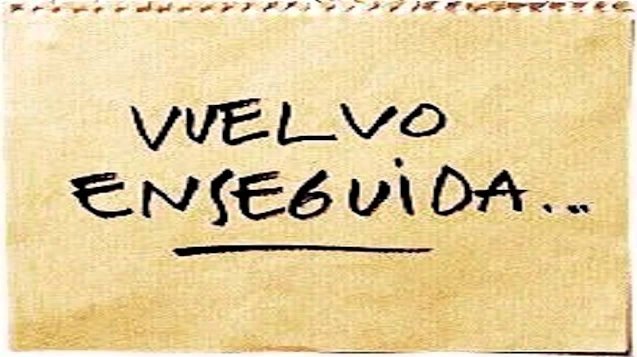
“Need to step away and want to convey it in Spanish? No problem! ‘Be right back’ in Spanish is ‘vuelvo enseguida.’ Whether you’re chatting with friends or taking a break at work, this handy phrase will come in handy. Let’s dive into the nuances of this commonly used expression and explore how to incorporate it seamlessly into your daily conversations. Stay tuned for some practical tips and examples to enhance your language skills effortlessly.”

How to Say “Be Right Back” in Spanish: A Comprehensive Guide
Learning another language can be both exciting and challenging. Being able to communicate in different languages opens up a whole new world of opportunities and experiences. In this blog post, we will explore how to say “be right back” in Spanish, a commonly used phrase in everyday conversations. So, let’s dive into the world of Spanish language and discover how to express this simple yet essential phrase!
The Importance of Knowing Everyday Phrases
Before we delve into the specific translation of “be right back” in Spanish, let’s take a moment to understand the significance of learning everyday phrases in a new language. While mastering grammar rules and vocabulary is essential, knowing common expressions like “be right back” helps you navigate real-life situations with ease.
Whether you are traveling to a Spanish-speaking country, interacting with native speakers, or simply trying to enhance your language skills, knowing how to say “be right back” in Spanish will come in handy in various contexts.
Understanding the Literal Translation
When it comes to translating phrases from one language to another, it’s crucial to consider not only the words’ literal meanings but also their cultural and contextual implications. In Spanish, the phrase “be right back” can be translated as “volveré enseguida.”
Let’s break down the translation:
- Volveré: This word comes from the verb “volver,” which means “to return” or “to come back.” By conjugating the verb in the first person singular form, “volveré” translates to “I will return.”
- Enseguida: This adverb is used to indicate a short period of time or immediate action. When combined with “volveré,” it conveys the idea of returning promptly or shortly.
So, by putting these two words together, you get “volveré enseguida,” which effectively conveys the message of “be right back” in Spanish.
Common Variations and Informal Expressions
While “volveré enseguida” is the standard translation for “be right back,” the Spanish language offers various informal and colloquial expressions that convey the same message in different contexts. Here are some common variations:
1. Estaré de vuelta pronto
This phrase is a more formal way of saying “I’ll be back soon” in Spanish. It is suitable for professional settings or when you want to convey a sense of politeness and respect.
2. Regreso en un momento
Similar to “be right back,” this expression means “I’ll be back in a moment.” It is a versatile phrase that can be used in both casual and formal situations.
3. Voy y vuelvo
Translating to “I’m going and coming back,” this expression is commonly used in informal settings among friends or family members. It conveys a sense of informality and familiarity.
Practical Examples in Everyday Conversations
Now that you have learned different ways to say “be right back” in Spanish, let’s explore how these phrases can be used in everyday conversations:
Example 1:
English: “I need to answer the door. I’ll be right back.”
Spanish: “Necesito contestar la puerta. Volveré enseguida.”
Example 2:
English: “Just grabbing a drink from the kitchen. I’ll be back soon.”
Spanish: “Solo voy por una bebida a la cocina. Estaré de vuelta pronto.”
Example 3:
English: “Heading to the restroom. I’ll be back in a moment.”
Spanish: “Voy al baño. Regreso en un momento.”
By incorporating these phrases into your conversations, you can effectively communicate your temporary absence or intention to return shortly in Spanish-speaking environments.
Practice Makes Perfect
As with any new language skill, practice is key to mastering the art of communication. To enhance your proficiency in using expressions like “be right back” in Spanish, consider the following tips:
1. Role-Playing Scenarios
Engage in role-playing exercises where you simulate real-life situations that require you to use the phrase “be right back” in Spanish. Practice with a language partner or tutor to improve your conversational skills.
2. Repeat and Memorize
Repetition is a powerful tool for language learning. Practice saying the different variations of “be right back” in Spanish until they become effortless and natural. Create flashcards or use language apps to reinforce your memory.
3. Immerse Yourself in Spanish Culture
Expose yourself to Spanish-speaking environments, whether through music, movies, or books. Immersing yourself in the language and culture will help you internalize expressions like “be right back” and understand their usage in context.
Learning how to say “be right back” in Spanish is a valuable skill that can enhance your language proficiency and cultural awareness. By mastering common expressions and understanding their nuances, you can confidently navigate Spanish-speaking environments and engage in meaningful conversations.
Remember, language learning is a journey that requires dedication and practice. So, keep practicing, exploring new phrases, and immersing yourself in the beauty of the Spanish language. ¡Buena suerte! (Good luck!)
How do you say I'LL BE RIGHT BACK in SPANISH ?
Frequently Asked Questions
How do you say “be right back” in Spanish?
In Spanish, you can say “volveré enseguida” to mean “be right back.”
What is the common phrase in Spanish for indicating a short absence?
A common phrase in Spanish to indicate a short absence is “regreso en un momento” which translates to “I’ll be back in a moment.”
How can I politely express that I will return shortly in Spanish?
To politely express that you will return shortly in Spanish, you can say “estaré de vuelta en breve,” which conveys the message of coming back soon.
Final Thoughts
In conclusion, if you ever need to step away briefly during a conversation in Spanish, you can simply say “ahora vuelvo,” which translates to “be right back.” This common phrase is a polite way to excuse yourself temporarily while indicating that you will return shortly. Remembering this handy expression can help you navigate conversations smoothly and politely in Spanish-speaking settings. Practice using “ahora vuelvo” to make your interactions more seamless and respectful.