




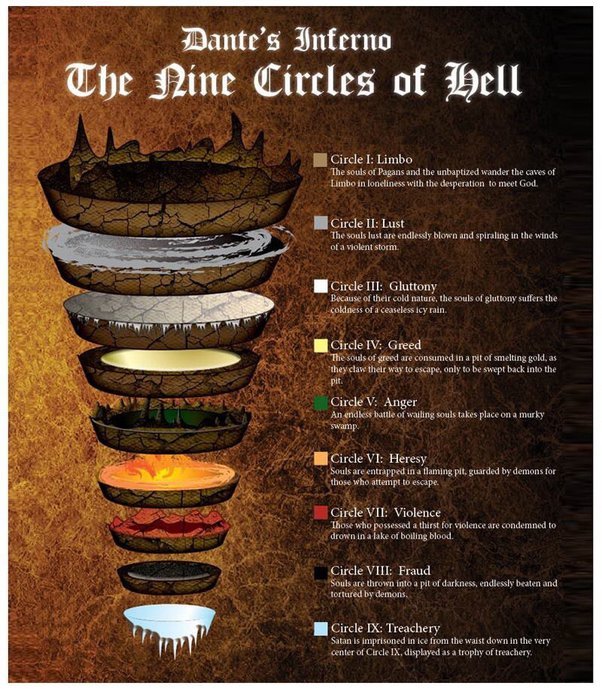
In the Bible, there is no specific count of how many hells exist. The concept of hell is complex and intertwined with various interpretations and beliefs. Different religious traditions and scholars have differing perspectives on the nature and number of hells within the biblical context. Exploring the topic of how many hells are there in the Bible can lead us on a journey of discovery and reflection into the mysteries of the afterlife. Join us as we delve deeper into this intriguing and thought-provoking subject.

How Many Hells Are There in the Bible?
Welcome, young curious minds, to a fascinating exploration of the concept of Hell as depicted in the Bible. You may have heard of Hell being portrayed as a place of punishment in various stories and movies, but how many Hells are actually mentioned in the Bible? Let’s delve into this intriguing topic together and uncover the different perspectives on Hell within the sacred text.
The Biblical Concept of Hell
Before we dive into the question of how many Hells are mentioned in the Bible, let’s first understand what Hell represents in the biblical context. In the Bible, Hell is typically described as a realm of eternal punishment or separation from God for those who have sinned and rejected Him. It is portrayed as a place of suffering, darkness, and despair.
Various verses in the Bible describe Hell as a place of fire and brimstone, where the wicked are sent to face the consequences of their actions. The concept of Hell serves as a warning of the consequences of leading a sinful life and emphasizes the importance of living a righteous and virtuous existence.
The Different Views on Hell
When it comes to the concept of Hell, there are different interpretations and beliefs among various Christian denominations. Some believe in a literal interpretation of Hell as a physical place of torment, while others view it as a symbolic representation of spiritual separation from God.
Within Christianity, there are also differing views on the nature of Hell, such as whether it is a place of eternal punishment or a temporary state of purification. These differing perspectives have led to debates and discussions among theologians and scholars throughout history.
Exploring the Hells in the Bible
Now, let’s address the central question: how many Hells are mentioned in the Bible? Surprisingly, the Bible does not specify a definitive number of Hells. Instead, it uses various terms and descriptions to refer to the concept of Hell and the afterlife for the wicked.
Sheol: The Underworld
One of the terms used in the Bible to describe the realm of the dead is Sheol. In the Old Testament, Sheol is often depicted as a place where both the righteous and the wicked go after death, though in different states of consciousness. It is a shadowy underworld where souls reside after departing from the physical world.
While Sheol is not explicitly identified as Hell in the traditional sense, it is a significant concept in understanding the afterlife in ancient Hebrew beliefs. It serves as a precursor to the more developed ideas of Hell that emerged in later biblical texts.
Gehenna: The Valley of Hinnom
Another term associated with the concept of Hell in the Bible is Gehenna. Gehenna refers to the Valley of Hinnom, a real geographical location near Jerusalem that held dark connotations in Jewish history. In the New Testament, Gehenna is used metaphorically to symbolize a place of eternal punishment and destruction.
Jesus Christ often spoke of Gehenna as a warning of the consequences of sin and the importance of repentance. The imagery of Gehenna as a place of fire and torment underscores the seriousness of living a righteous life and avoiding eternal damnation.
Tartarus: Imprisonment of Fallen Angels
In the New Testament, the term Tartarus is mentioned in the context of the punishment of fallen angels. Tartarus is described as a dark and abyssal place where these rebellious entities are confined as a form of divine judgment. While Tartarus is not explicitly equated with Hell for human souls, it provides further insight into the multifaceted nature of the afterlife in biblical teachings.
Conclusion: The Complexity of Hell in the Bible
As we conclude our exploration of the concept of Hell in the Bible, it becomes evident that the idea of Hell is not monolithic or singular in its depiction. Instead, the Bible presents a nuanced and multifaceted view of the afterlife, incorporating various terms and symbols to convey the consequences of sin and the importance of faith and righteousness.
While the exact number of Hells in the Bible remains open to interpretation, the overarching message of Hell as a realm of punishment and separation serves as a moral reminder for believers to lead virtuous lives and seek redemption through repentance and faith.
Remember, young minds, that the concept of Hell is a powerful allegory that underscores the eternal struggle between good and evil, light and darkness. By embracing the teachings of love, compassion, and righteousness, we can strive to avoid the spiritual pitfalls that Hell symbolizes and find solace in the promise of divine grace and salvation.
May this journey into the depths of biblical lore inspire you to seek wisdom, understanding, and courage as you navigate the mysteries of the universe and the complexities of the human soul. Stay curious, stay thoughtful, and may the light of truth guide your path always.
There are 3 hells *According to the Bible*
Frequently Asked Questions
How many hells are mentioned in the Bible?
In the Bible, the concept of Hell is typically associated with one place of punishment and separation from God. The Bible does not specify multiple hells but rather describes Hell as a single realm of eternal suffering for the unrepentant.
Is there a distinction between different hells in the Bible?
While the Bible does not mention multiple hells, different translations and interpretations may use various terms such as Sheol, Hades, Gehenna, or the Lake of Fire to refer to the place of eternal punishment. These terms may describe different aspects of the concept of Hell, but they ultimately refer to the same place of condemnation.
Do different denominations believe in multiple hells based on the Bible?
Various Christian denominations may have different interpretations or teachings regarding Hell, but the fundamental concept of Hell as a place of punishment for the wicked remains consistent across most denominations. The idea of multiple hells is not a prevalent belief based on biblical teachings.
Final Thoughts
In summary, the Bible mentions different concepts of Hell, including the popular belief of a singular place of punishment. However, the specific number of hells in the Bible is not explicitly stated. Interpretations vary among scholars and theologians, leading to diverse beliefs on the subject. Despite the lack of a definitive answer, the concept of Hell remains a significant aspect of many religious teachings, emphasizing the consequences of one’s actions. How many hells are there in the Bible ultimately reflects the variety of interpretations and perspectives within religious discourse.