

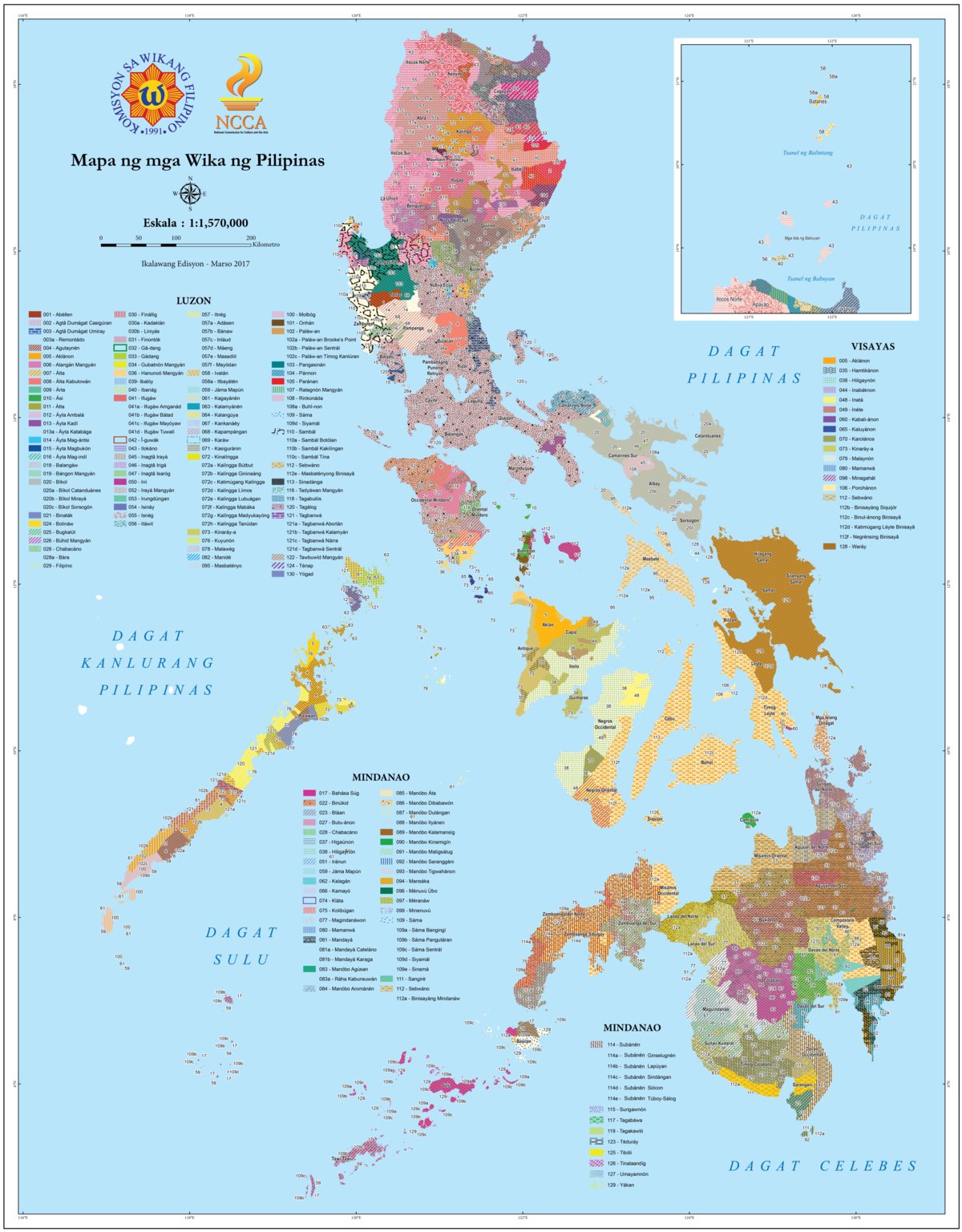
Over 170 languages and dialects are spoken in the Philippines. From the rolling hills of Luzon to the pristine beaches of Mindanao, the diverse cultural tapestry of this archipelago is reflected in its language variations. Each dialect tells a unique story of tradition, history, and identity, enriching the vibrant tapestry of Filipino heritage. Understanding ‘how many dialects are there in the Philippines’ is just the beginning of unraveling the linguistic richness of this captivating nation. Let’s explore the colorful world of Philippine dialects together.

Exploring the Rich Tapestry of Dialects in the Philippines
Welcome to the fascinating world of languages in the Philippines! Did you know that the Philippines is a treasure trove of linguistic diversity, boasting a wide array of dialects spoken across its many islands? In this blog post, we will delve into the captivating topic of how many dialects are there in the Philippines, uncovering the unique characteristics and origins of these diverse languages.
The Philippines: A Linguistic Mosaic
Before we embark on our journey to discover the multitude of dialects in the Philippines, let’s take a moment to appreciate the cultural tapestry that makes up this beautiful country. The Philippines is made up of over 7,000 islands, each with its own distinct traditions, customs, and yes, dialects. This rich diversity is reflected in the linguistic landscape of the country, where hundreds of languages and dialects are spoken.
Understanding Dialects vs. Languages
Before we delve deeper into the specific dialects spoken in the Philippines, let’s clarify the difference between a dialect and a language. While the terms “dialect” and “language” are often used interchangeably, there is a subtle distinction between the two. Dialects are variations of a language that are specific to a particular region or community, while languages are distinct systems of communication with their own grammar and vocabulary.
In the Philippines, the term “dialect” is commonly used to refer to the regional variations of Filipino, the national language. However, many of these regional varieties are so distinct that they can be considered separate languages in their own right.
The Major Dialects of the Philippines
Now, let’s explore some of the major dialects spoken in the Philippines, each offering a unique window into the cultural heritage of the diverse communities that inhabit the islands.
Tagalog
Tagalog is one of the most widely spoken dialects in the Philippines and serves as the basis for Filipino, the national language. Tagalog is primarily spoken in the central region of Luzon, including the capital city, Manila. Its influence can be felt in Filipino media, literature, and everyday conversation.
Cebuano
Cebuano, also known as Bisaya or Visayan, is spoken in the Visayas and Mindanao regions of the Philippines. With over 20 million speakers, Cebuano is one of the most widely spoken dialects in the country. Its distinct vocabulary and grammar set it apart from other Philippine languages.
Ilokano
Ilokano is the third most spoken dialect in the Philippines and is primarily spoken in the Ilocos region of Luzon. Known for its rich literary tradition, Ilokano has produced renowned writers and poets who have contributed significantly to Philippine literature.
Hiligaynon
Hiligaynon, also known as Ilonggo, is spoken in the Western Visayas region, particularly in the province of Iloilo. This vibrant dialect is known for its melodious intonation and unique expressions that reflect the rich cultural heritage of the region.
Waray
Waray is spoken in the Eastern Visayas region, with Leyte and Samar as its primary strongholds. Known for its lyrical quality and poetic expressions, Waray is a testament to the creativity and resilience of the people of Eastern Visayas.
Exploring the Diversity of Dialects
As we journey through the Philippines, we encounter a myriad of dialects, each with its own history, nuances, and beauty. From the melodic tones of Bisaya to the poetic expressions of Ilokano, the dialects of the Philippines paint a vibrant picture of the country’s cultural heritage.
While we have highlighted some of the major dialects in this blog post, it is essential to remember that there are countless other languages and dialects spoken across the Philippines, each contributing to the rich tapestry of linguistic diversity in the country.
Preserving and Celebrating Linguistic Diversity
As we conclude our exploration of the dialects in the Philippines, it is crucial to emphasize the importance of preserving and celebrating linguistic diversity. Language is not just a means of communication; it is a reflection of a community’s identity, history, and values.
By embracing and promoting the diverse dialects spoken in the Philippines, we can celebrate the unique heritage of each region and foster a sense of unity and inclusivity among the country’s many communities.
So, the next time you hear someone speaking a different dialect in the Philippines, take a moment to appreciate the beauty and richness of their language. After all, it is through language that we connect, learn, and grow as individuals and as a society.
Thank you for joining us on this linguistic journey through the Philippines. Until next time, mabuhay!
Languages in the Philippines Are Dying! 🇵🇭
Frequently Asked Questions
How many dialects are spoken in the Philippines?
There are approximately 120 to 175 distinct languages spoken in the Philippines. These languages are further divided into numerous dialects, making the total count of dialects quite high.
What factors contribute to the diverse range of dialects in the Philippines?
The Philippines’ geographical fragmentation with numerous islands, historical influences from various colonial powers, and cultural diversity among different indigenous groups are some of the key factors contributing to the vast array of dialects spoken in the country.
Are all Filipino dialects mutually intelligible?
While Filipino dialects share similarities due to historical connections and linguistic influences, not all dialects are mutually intelligible. Some dialects can be quite distinct from each other, making communication challenging for those not familiar with a particular dialect.
How do Filipinos typically navigate the language barriers posed by the diverse dialects?
English and Filipino (based on Tagalog) are the official languages of the Philippines and serve as lingua francas to bridge communication across different dialects. Many Filipinos are multilingual and proficient in both English and Filipino, facilitating smoother interactions despite the dialectal diversity.
Final Thoughts
The Philippines boasts a rich linguistic tapestry, with over 175 identified languages. Among these, there are approximately 171 individual dialects spoken across the islands. This diverse range of dialects adds depth to the cultural landscape of the Philippines, reflecting the unique heritage and history of each region. Understanding how many dialects are there in the Philippines provides a glimpse into the country’s intricate linguistic diversity, showcasing the vibrancy of its people and their stories.