

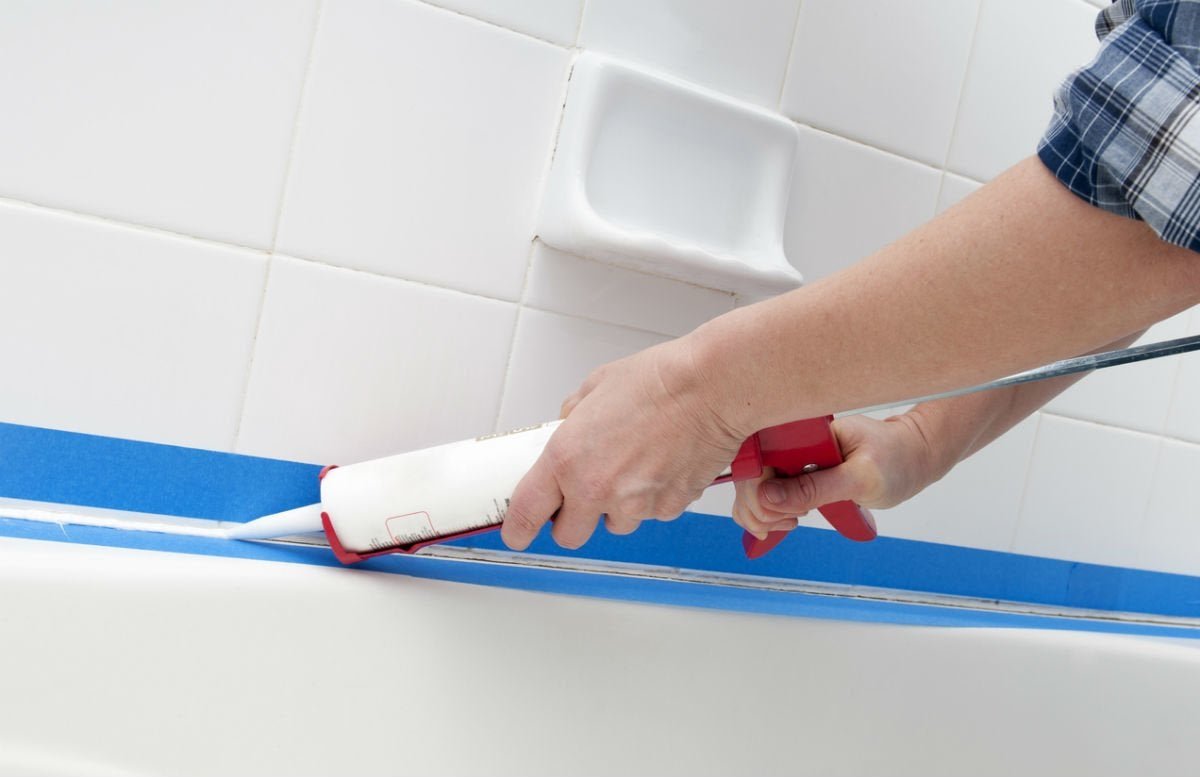
Silicone typically dries within 24 hours, but the exact time can vary based on factors like temperature and humidity. To ensure optimal results with your silicone projects, understanding how long silicone dry is crucial. Whether you are sealing a leaky sink or working on a DIY craft, knowing when your silicone will be fully cured is essential for success. Let’s delve into the specifics of how long silicone takes to dry and explore some tips for speeding up the process.

How Long Does Silicone Take to Dry?
Welcome, curious readers! Have you ever wondered how long it takes for silicone to dry? You’re not alone! In this blog post, we’ll dive into the fascinating world of silicone and explore everything you need to know about its drying process. From understanding what silicone is to discovering the factors that influence its drying time, we’ve got you covered. So, grab a seat and let’s unravel the mystery of how long silicone takes to dry!
Understanding Silicone: What Is It?
Before we delve into the drying time of silicone, let’s first understand what silicone actually is. Silicone is a versatile polymer that is used in various applications, from sealants and adhesives to baking pans and medical devices. It is known for its flexibility, durability, and heat resistance, making it a popular choice in many industries.
When silicone is in its liquid form, it is typically a mixture of silicone elastomers and additives. Once applied, silicone undergoes a curing process where it transforms from a liquid into a solid, rubber-like material. The drying time of silicone refers to the duration it takes for this curing process to complete.
Factors Influencing Silicone Drying Time
Now that we have a basic understanding of what silicone is, let’s explore the various factors that can influence how long it takes for silicone to dry:
1. Type of Silicone:
There are different types of silicone products available, such as acetoxy silicone, neutral cure silicone, and oxime silicone. Each type has its own formulation and curing characteristics, which can impact the drying time. For example, acetoxy silicone typically cures faster than neutral cure silicone.
2. Temperature and Humidity:
The environmental conditions, such as temperature and humidity, play a significant role in the drying process of silicone. In general, silicone cures faster in warmer and less humid environments. Cold and damp conditions can slow down the curing time significantly.
3. Thickness of Application:
The thickness of the silicone layer applied can also affect the drying time. Thicker layers of silicone will take longer to cure compared to thin layers. It is essential to follow the manufacturer’s instructions regarding the recommended thickness for optimal drying results.
4. Additives and Accelerators:
Some silicone products come with additives or accelerators that can speed up the curing process. These additives help reduce the drying time and improve the overall performance of the silicone once it has cured.
How Long Does It Typically Take for Silicone to Dry?
Now that we’ve covered the factors that influence silicone drying time, you might be wondering how long it actually takes for silicone to dry under normal conditions. On average, silicone sealants and adhesives can take anywhere from 24 to 48 hours to fully cure. However, this timeframe can vary based on the aforementioned factors like type of silicone, environmental conditions, and application thickness.
For instance, a thin layer of acetoxy silicone applied in a warm and dry environment may cure within a few hours, whereas a thick layer of neutral cure silicone used in a cold and humid environment could take several days to dry completely. It’s essential to consider these variables when determining the expected drying time for your specific silicone application.
Tips for Accelerating Silicone Drying Time
If you’re in a hurry and need your silicone project to dry faster, here are some tips to help accelerate the drying process:
1. Increase Temperature:
Place your silicone project in a warm and dry area to speed up the curing time. Avoid exposing it to direct sunlight, as extreme heat can sometimes affect the quality of the dried silicone.
2. Use a Fan or Dehumidifier:
Improving air circulation and reducing humidity can help facilitate the drying process. Consider using a fan or dehumidifier in the room where the silicone is curing to promote faster drying.
3. Choose a Fast-Curing Silicone:
If time is of the essence, opt for a fast-curing silicone product that is specifically designed to dry quickly. These products are formulated to accelerate the curing process and can significantly reduce drying time.
In Conclusion
And there you have it – a comprehensive guide on how long silicone takes to dry! We’ve explored the fundamentals of silicone, the factors that influence its drying time, and some tips for speeding up the process. Whether you’re working on a DIY project or completing a professional application, understanding the drying time of silicone is crucial for achieving successful results.
Remember, patience is key when working with silicone. By considering the type of silicone, environmental conditions, and application thickness, you can better predict and manage the drying time of your silicone projects. So, next time you reach for that tube of silicone sealant, you’ll have a better grasp of how long it will take to dry!
Happy crafting and may your silicone projects dry promptly and flawlessly!
How Long Does Caulk REALLY Take to Dry?
Frequently Asked Questions
How long does it take for silicone to dry?
Silicone typically takes about 24 hours to dry completely. However, factors such as temperature, humidity, and thickness of the silicone layer can affect the drying time. It is advisable to wait for at least a day before exposing the silicone to any stress or moisture.
Can I speed up the drying process of silicone?
Yes, you can speed up the drying process of silicone by using a fan or a dehumidifier to improve air circulation and reduce moisture around the silicone. Additionally, placing the silicone in a warm and dry environment can help accelerate the drying time.
Is it normal for silicone to still feel tacky after drying for 24 hours?
If the silicone feels tacky after 24 hours, it may indicate that it has not fully cured. In such cases, it is recommended to allow more time for drying or curing. Avoid touching or using the silicone until it feels completely dry to the touch.
Final Thoughts
In conclusion, the drying time of silicone varies depending on the type and brand. Generally, most silicone sealants dry to the touch within 30 minutes to an hour. However, complete curing usually takes around 24 to 48 hours. It’s essential to allow enough time for the silicone to dry completely before exposing it to water or other elements. Understanding how long silicone dries will help ensure the success of your sealing or bonding project.