






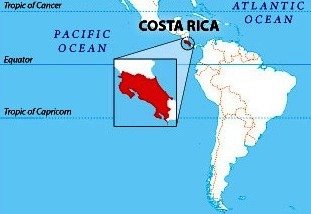
Costa Rica sits just 10 degrees north of the equator, basking in the tropical embrace of its proximity to this imaginary line encircling the Earth. This geographical positioning results in a climate that is nothing short of paradise, with lush rainforests, stunning beaches, and abundant wildlife flourishing under the equatorial sun. Understanding how close Costa Rica is to the equator offers a glimpse into the natural wonders and unique experiences waiting to be explored in this vibrant Central American nation.

How Close is Costa Rica to the Equator?
Welcome, young explorers! Today, we are going on a fascinating journey to discover just how close Costa Rica, a tropical paradise known for its rich biodiversity and stunning landscapes, is to the equator. Have you ever wondered why Costa Rica has such a warm climate or why it is home to amazing rainforests? Well, the answer lies in its proximity to the equator. So, let’s dive in and unravel the mysteries of how close Costa Rica really is to the equator!
The Basics of the Equator
Before we venture into the specifics of Costa Rica’s relationship with the equator, let’s first understand what the equator is. The equator is an imaginary line that divides the Earth into the Northern Hemisphere and the Southern Hemisphere. It runs horizontally around the widest part of the Earth, marking 0 degrees latitude.
Being close to the equator means that a location is near this line, which has significant implications for its climate, weather patterns, and the length of days and nights experienced throughout the year. Now, let’s see how this relates to the stunning country of Costa Rica!
Costa Rica’s Geographic Location
Costa Rica is a small but incredibly diverse country located in Central America, nestled between Nicaragua to the north and Panama to the south. Its geographical coordinates place it between approximately 8 and 11 degrees north latitude and 83 and 86 degrees west longitude. This means that Costa Rica is positioned closer to the equator than many other countries, resulting in its unique tropical climate and lush ecosystems.
The Tropic of Cancer and the Tropic of Capricorn
Costa Rica lies within the tropics, the region of the Earth surrounding the equator. More specifically, it is situated in the Northern Hemisphere, just above the equator. The Tropic of Cancer, located at approximately 23.5 degrees north latitude, marks the northern boundary of the tropics. Due to its position, Costa Rica enjoys a warm climate throughout the year, making it an ideal destination for those seeking sun, sand, and adventure!
Effects of Proximity to the Equator
Now that we’ve established how close Costa Rica is to the equator, let’s delve into the effects of this proximity on the country’s climate, biodiversity, and natural wonders.
Tropical Climate
Costa Rica experiences a tropical climate, characterized by high temperatures and humidity year-round. This warm and sunny weather is a direct result of the country’s proximity to the equator, where the sun’s rays hit more directly, leading to consistent warmth. Whether you’re exploring lush rainforests, relaxing on pristine beaches, or spotting exotic wildlife, you can expect pleasant weather during your visit to Costa Rica!
Biodiversity Hotspot
Due to its unique position near the equator, Costa Rica is considered a biodiversity hotspot, meaning it is teeming with a wide variety of plant and animal species. The country’s diverse ecosystems, from dense rainforests to cloud forests and coastal mangroves, support an incredible array of wildlife, including colorful birds, playful monkeys, and vibrant tropical plants. If you’re a nature enthusiast, Costa Rica’s proximity to the equator makes it a must-visit destination!
Seasonal Variations
While Costa Rica enjoys relatively stable temperatures throughout the year, its proximity to the equator does influence the country’s seasonal variations. Costa Rica experiences a wet season (or green season) and a dry season, with the wet season typically occurring from May to November and the dry season lasting from December to April. During the wet season, lush vegetation flourishes, rivers flow abundantly, and waterfalls cascade down the mountains, creating a magical sight to behold!
Exploring the Equator in Costa Rica
Costa Rica offers unique opportunities to experience the equator up close and personal. One such landmark is the La Paz Waterfall Gardens, a nature park located near the equator that boasts stunning waterfalls, lush gardens, and an animal sanctuary. Visitors can walk across a bridge that straddles the equator, allowing them to stand in both the Northern and Southern Hemispheres simultaneously!
Another exciting way to explore the equator in Costa Rica is by visiting the Arenal Volcano, one of the country’s most iconic natural attractions. Located near the equator, Arenal Volcano is a sight to behold, with its perfectly conical shape and occasional eruptions. Adventurous travelers can hike through the surrounding rainforest, soak in natural hot springs, and witness the power of this majestic volcano up close.
So, young adventurers, we’ve uncovered the answer to the question, “How close is Costa Rica to the equator?” We’ve learned that Costa Rica’s proximity to the equator plays a vital role in shaping its climate, biodiversity, and natural wonders. From tropical rainforests to pristine beaches, Costa Rica offers a paradise unlike any other, all thanks to its unique position near the equator.
Next time you dream of embarking on an exciting journey to a land of exotic wildlife and stunning landscapes, remember that Costa Rica’s proximity to the equator is the secret behind its captivating charm. So pack your bags, put on your explorer’s hat, and get ready to discover the wonders of Costa Rica!
Until next time, happy exploring!
How Close Is Costa Rica To The Equator? – Central America Uncovered
Frequently Asked Questions
How close is Costa Rica to the equator?
Costa Rica is located very close to the equator, approximately 8 degrees north of it. This proximity gives the country its tropical climate and provides for consistent warm temperatures throughout the year.
Does Costa Rica’s proximity to the equator affect its weather?
Yes, being near the equator greatly influences Costa Rica’s weather patterns. The country experiences little seasonal variation, with consistent temperatures and a distinct wet and dry season due to its equatorial location.
What are the advantages of Costa Rica’s location near the equator?
Costa Rica’s proximity to the equator results in a favorable climate for lush rainforests, diverse ecosystems, and abundant biodiversity. This location also allows for a thriving eco-tourism industry in the country.
How does the equatorial proximity impact Costa Rica’s agriculture?
The proximity to the equator provides Costa Rica with ideal conditions for agriculture. The country benefits from year-round growing seasons, allowing for a variety of crops to flourish and contribute to its agricultural diversity.
Final Thoughts
Costa Rica is located just 10 degrees north of the equator, making it very close to this imaginary line that divides the Earth in half. This proximity to the equator blesses Costa Rica with a tropical climate and abundant biodiversity. The country’s location near the equator also results in fairly consistent day length throughout the year, providing a stable environment for its rich ecosystems. So, when considering how close Costa Rica is to the equator, one can appreciate the direct impact this has on the country’s natural beauty and ecological vibrancy.