


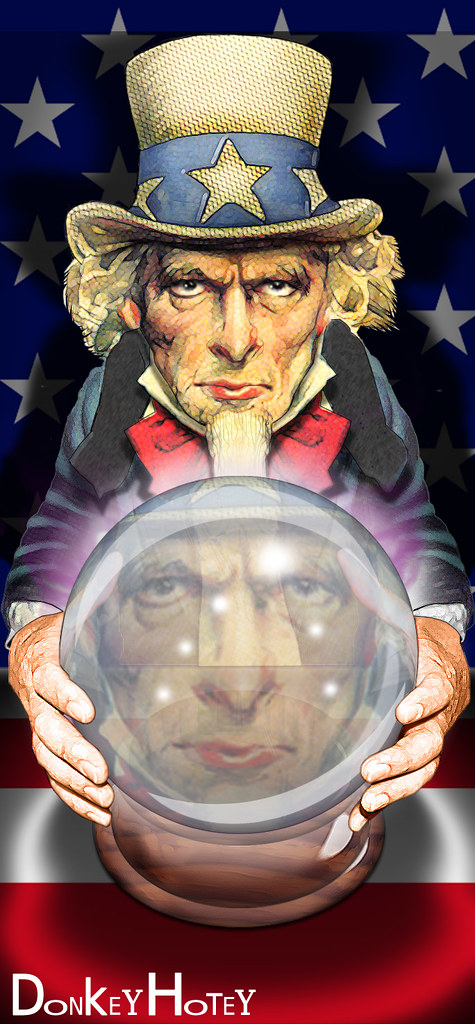





Prediction markets regulation is becoming increasingly important as 82% of Americans express a desire for these markets to be treated like gambling. This growing concern highlights the need for clear guidelines.
Understanding Prediction Markets
Prediction markets have garnered significant attention as platforms where individuals can bet on the outcome of future events. These markets operate on the premise that collective wisdom can forecast outcomes more accurately than traditional methods. However, the regulation surrounding these markets has become a hot-button issue, especially as public awareness grows.
According to a recent survey, 82% of Americans support the regulation of prediction markets as gambling. This statistic highlights a crucial point: many individuals perceive these markets not just as entertainment, but as serious financial instruments that require oversight.
The debate about prediction markets regulation stems from several key considerations:
- Consumer Protection: Ensuring that participants are safeguarded from potential fraud or manipulation.
- Market Integrity: Maintaining a fair playing field where outcomes reflect genuine predictions rather than insider information.
- Tax Implications: Clarifying how winnings are taxed and ensuring compliance with existing gambling laws.
As the conversation around prediction markets regulation evolves, it is clear that both the public and policymakers must engage in a thoughtful discussion about how best to balance innovation with necessary safeguards.
Public Sentiment on Gambling Regulation
Recent surveys indicate a significant shift in public sentiment regarding prediction markets regulation. A striking 82% of Americans believe that prediction markets should be regulated similarly to gambling. This overwhelming majority reflects a growing recognition of the potential risks associated with unregulated betting platforms.
Many respondents expressed concerns about the implications of unregulated markets, citing several key issues:
- Consumer Protection: Participants worry that without regulation, individuals may fall victim to fraudulent schemes or lose their investments without recourse.
- Integrity of Information: There is a fear that unregulated markets could be manipulated, leading to unreliable predictions that can impact public opinion and decision-making.
- Social Impact: Many believe that unregulated gambling can lead to increased addiction and societal issues, prompting calls for stricter oversight.
Supporters of prediction markets argue that regulation could foster innovation and provide a safe environment for participants. They contend that with appropriate oversight, prediction markets could thrive while mitigating the risks associated with gambling. As discussions around prediction markets regulation continue, the clear truth remains that the public is advocating for increased protections in this evolving landscape.
The Case for Regulating Prediction Markets
As the popularity of prediction markets continues to grow, the case for regulating these platforms becomes increasingly compelling. A significant portion of the American public, approximately 82%, supports the notion that prediction markets should be regulated as gambling. This sentiment reflects a broader desire for clear oversight and consumer protection in a rapidly evolving digital landscape.
Regulating prediction markets can provide several benefits, including:
- Consumer Protection: Regulation ensures that participants are safeguarded against fraudulent activities and manipulative practices that can undermine the integrity of these markets.
- Tax Revenue: By bringing prediction markets under regulatory frameworks, governments can generate tax revenue that can be directed towards public services.
- Market Integrity: Established regulations can enhance the credibility of prediction markets, attracting more participants and fostering a healthier market environment.
- Responsible Participation: Regulations can promote responsible usage, ensuring that individuals are informed of the risks associated with participating in prediction markets.
In essence, the regulation of prediction markets is not merely a legal formality; it represents a necessary step towards creating a trustworthy and sustainable ecosystem for all stakeholders involved.
Potential Impacts of Regulation
The potential impacts of regulation on prediction markets extend far beyond mere compliance with legal standards. As the landscape of gambling evolves, regulation can significantly influence market dynamics and participant behavior.
Some key impacts include:
- Increased Legitimacy: By classifying prediction markets under gambling regulations, these platforms may gain enhanced credibility, attracting a broader user base.
- Consumer Protection: Regulation could ensure that users are safeguarded against fraud and manipulation, fostering a safer betting environment.
- Market Stability: A regulated framework might contribute to greater market stability, as clear rules would reduce the likelihood of erratic behavior and enhance the integrity of outcomes.
- Tax Revenue: Governments could implement taxation on profits from prediction markets, generating additional revenue that could be used for public services.
- Innovation Constraints: On the flip side, excessive regulation might stifle innovation, making it challenging for new platforms to enter the market.
Overall, the debate surrounding prediction markets regulation remains critical, as it balances public interest with the potential for economic growth in a rapidly changing digital landscape.
As the debate around prediction markets regulation intensifies, it is crucial to understand the implications for both investors and the broader economy. Ultimately, effective prediction markets regulation could foster innovation while ensuring consumer protection in this evolving landscape.
By DonkeyHotey via Openverse