

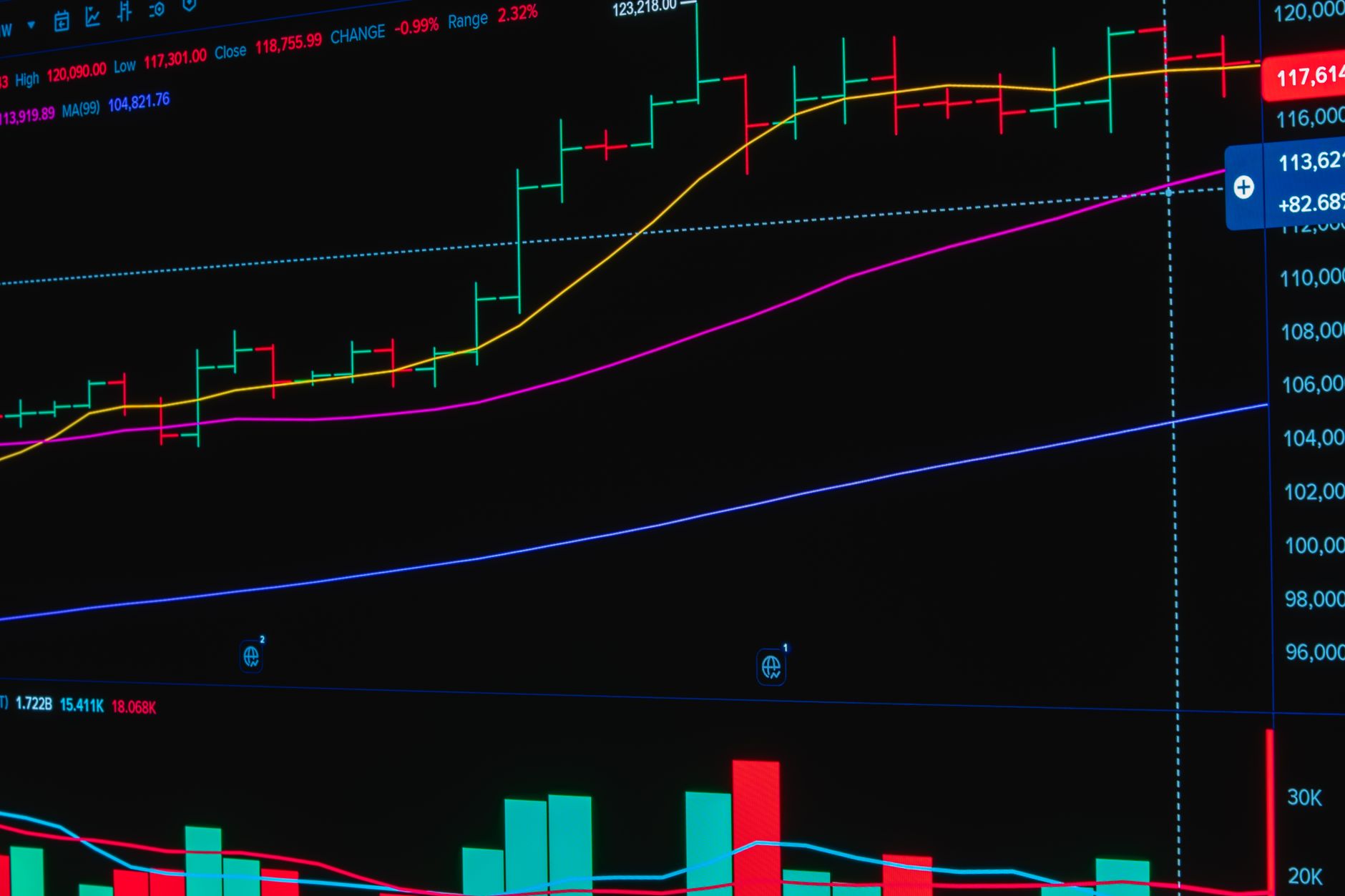







prediction market platforms are currently facing significant legal threats from Ohio, prompting discussions about their future operations in the state.
Overview of Prediction Market Platforms
Prediction market platforms have emerged as innovative tools for forecasting outcomes in various domains, including politics, sports, and finance. These platforms allow users to buy and sell shares in potential future events, essentially creating a marketplace for predictions. The collective wisdom of participants often leads to more accurate forecasts than traditional polling methods.
Despite their growing popularity, some platforms face legal challenges, particularly in states like Ohio, where regulatory scrutiny has intensified. Concerns over gambling laws and the potential for misuse have prompted state officials to take a closer look at these platforms. However, many operators remain undeterred, continuing to enhance their offerings and expand user engagement.
As the landscape evolves, the future of prediction market platforms may hinge on their ability to navigate these legal hurdles while maintaining user trust and fostering a vibrant trading environment.
Legal Challenges in Ohio
In recent months, prediction market platforms have faced increasing scrutiny from Ohio regulators. Despite the legal threats, many of these platforms continue to operate without significant changes to their business models. The state has raised concerns over compliance with gambling laws, leading to uncertainty in the marketplace.
Some key points regarding the situation include:
- Regulatory scrutiny: Ohio officials are examining the structures of various platforms to determine if they fall under gambling regulations.
- Market resilience: Many platforms remain steadfast, believing that they can navigate the legal landscape without major adjustments.
- Potential consequences: If Ohio enforces stricter regulations, it may lead to a ripple effect across other states.
As prediction market platforms continue to innovate, the outcome of these legal challenges could shape their future operations significantly.
Impact on the Gambling Industry
The ongoing legal threats from Ohio pose significant implications for the gambling industry, particularly for prediction market platforms. As these platforms continue to operate, they challenge traditional gambling frameworks and regulations. The legal uncertainties may deter potential investors and users, leading to a reduction in market activity.
Some key factors influencing the impact include:
- Regulatory Compliance: Companies may need to reassess their compliance strategies to navigate Ohio’s legal landscape.
- Market Confidence: Ongoing threats can erode confidence among users, affecting participation rates.
- Investment Opportunities: The legal ambiguity may discourage new investments in the sector, hampering growth.
As prediction market platforms continue to evolve, their ability to adapt to these challenges will determine their future in the gambling industry.
Responses from Market Platforms
In the wake of Ohio’s legal threats, several prediction market platforms have chosen to maintain their operations without significant changes. These platforms argue that their services do not fall under traditional gambling laws, as they focus on forecasting outcomes rather than wagering on chance.
Key responses from major players in the industry include:
- Market Adaptation: Many platforms are updating their terms of service to clarify the nature of their offerings.
- Legal Counsel: Companies are seeking advice from legal experts to navigate the complex regulatory landscape.
- Community Engagement: Some platforms are actively engaging with their user communities to reassure them about ongoing operations.
Despite the challenges posed by Ohio’s legislation, these prediction market platforms remain committed to their mission of providing innovative forecasting tools.
Future of Gambling Regulations
The future of gambling regulations, particularly concerning prediction market platforms, remains uncertain as states grapple with legislative frameworks. As platforms continue to operate in a gray area, many stakeholders are calling for clearer guidelines.
Experts suggest that the rise of digital prediction markets may push regulators to adapt existing laws or introduce new ones to address the unique challenges they present.
Key points to consider include:
- Consumer Protection: Ensuring that users are safeguarded from potential fraud and misinformation.
- Taxation: Establishing how revenue generated from these platforms will be taxed.
- Market Integrity: Ensuring fair play and minimizing the risk of manipulation.
As the landscape evolves, prediction market platforms will need to engage with regulators proactively to shape a sustainable future.
Comparative Analysis with Other States
In contrast to Ohio’s legal challenges, other states have embraced prediction market platforms with more lenient regulations. States like California and New York have established frameworks that not only allow such platforms to operate but also promote their growth as innovative financial tools. This supportive environment has attracted significant investments, fostering competition and innovation.
Moreover, a comparative analysis reveals that states with clearer regulatory pathways tend to witness higher user engagement and market participation. For instance, in states where regulations are well-defined, users can navigate the platforms more confidently, leading to increased trading volumes.
However, Ohio’s restrictive stance may deter potential entrepreneurs and investors, pushing them towards more favorable jurisdictions. As the landscape evolves, the divergence in state regulations will likely shape the future of prediction markets across the nation.
Expert Opinions on Legal Threats
Experts in the field of gaming and law have weighed in on the ongoing situation regarding prediction market platforms and Ohio’s legal threats. Dr. Emily Carter, a legal analyst specializing in gambling legislation, stated, “The resilience of these platforms showcases their belief in the legality of their operations.” Many believe that the regulatory environment in Ohio may not be as stringent as officials suggest.
Additionally, Professor John Miller, an economist, remarked, “Prediction market platforms have previously navigated complex legal frameworks, often emerging unscathed.” The consensus among experts is that these platforms are likely to continue operating as they challenge the state’s claims.
As discussions evolve, industry insiders are watching closely, with some predicting that a protracted legal battle could redefine the future landscape of gambling regulations across the nation.
Conclusion and Next Steps
In conclusion, the evolving landscape of prediction market platforms amidst Ohio’s legal challenges reflects a broader trend in the gambling industry. As these platforms continue to thrive despite potential threats, it becomes increasingly important for stakeholders to engage in constructive dialogue with regulators.
Moving forward, key steps include:
- Monitoring Legislative Developments: Staying informed about changes in Ohio’s gambling regulations will be crucial for market platforms.
- Advocacy and Education: Engaging with lawmakers to educate them on the benefits and potential of prediction markets.
- Collaboration: Forming alliances with other states to create a unified approach to regulation that could benefit all parties involved.
Ultimately, the future of prediction market platforms in Ohio will depend on their ability to navigate these legal challenges while demonstrating their value to the gambling landscape.
Photo by Rafael Minguet Delgado on Pexels
Sources
Related reading
Bumrah Skip NZ ODIs: The Right Call for His Career · Sikandar Raza Retirement News: Honest Thoughts on WTC Impact · Poll body’s neutrality: Jan Suraaj chief questions integrity