






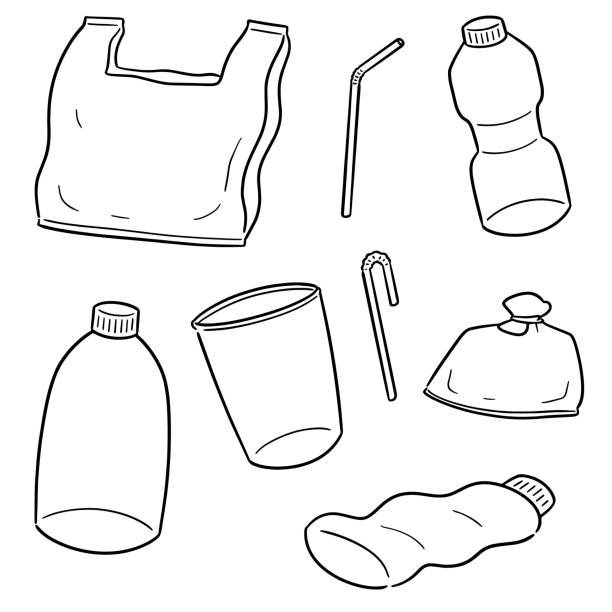
To draw plastic effectively, you must pay attention to its unique properties. Start by visualizing the reflection and translucency that plastic offers. Emphasize smooth lines and shiny textures to capture its essence on paper. Experiment with shading techniques to bring depth and realism to your plastic drawings. Dive into this guide on how to draw plastic and unlock the secrets to creating striking artwork that truly pops off the page.

Exploring the Art of Drawing Plastic
Welcome, budding artists! Have you ever wondered how to bring life to your drawings of plastic objects? Drawing plastic may seem tricky at first, but with the right techniques, you can master this unique art form. In this comprehensive guide, we will delve into the world of drawing plastic, uncovering tips and tricks to help you create realistic and captivating plastic illustrations. Let’s dive in!
The Basics of Drawing Plastic
Before we jump into the nitty-gritty details of drawing plastic, let’s start with the basics. Plastic is a versatile material that can take on various shapes and textures. When drawing plastic objects, it’s essential to pay attention to details like reflections, shadows, and highlights to capture the material’s shiny and smooth surface.
One way to achieve a realistic plastic effect in your drawings is by understanding how light interacts with the material. Plastic is known for its reflective properties, so mastering the play of light and shadow is crucial. To draw plastic convincingly, you need to observe how light bounces off its surface and creates highlights and shadows.
Materials You’ll Need
Before you start drawing plastic, make sure you have the right materials handy. Here’s a list of essential tools you’ll need:
1. Drawing Paper:
Choose a smooth, high-quality drawing paper that can handle multiple layers of shading and blending.
2. Pencils:
Invest in a set of graphite pencils with varying degrees of hardness to achieve different levels of shading and detailing.
3. Erasers:
Have both a kneaded eraser and a precision eraser on hand to correct mistakes and add highlights to your drawing.
4. Blending Tools:
Consider using blending stumps or tortillions to blend and soften shading for a smooth plastic finish.
Techniques for Drawing Plastic
Now that you have your materials ready, let’s explore some techniques for drawing plastic:
1. Observing Light and Reflections:
Start by observing real-life plastic objects under different lighting conditions. Notice how light reflects off the surface, creating highlights and shadows. Use this knowledge to add depth and realism to your drawings.
2. Creating Smooth Transitions:
To mimic the smooth texture of plastic, focus on creating seamless transitions between light and dark areas. Use gentle shading and blending techniques to achieve a glossy effect.
3. Adding Details:
Pay attention to small details like scratches, fingerprints, or reflections to make your plastic drawings more lifelike. Adding these subtle elements can elevate your artwork and make it more captivating.
4. Experimenting with Different Textures:
Plastic comes in various textures, from smooth and shiny to matte and frosted. Experiment with different shading techniques to recreate these textures in your drawings and add visual interest.
Practice Makes Perfect
Like any art form, mastering the art of drawing plastic takes practice and patience. Don’t be afraid to make mistakes and experiment with different techniques. The more you practice, the better you’ll become at capturing the unique qualities of plastic in your drawings.
Remember, art is all about expressing yourself and unleashing your creativity. So, grab your pencils, gather your materials, and start exploring the fascinating world of drawing plastic. Who knows, you might discover a newfound passion for this captivating art form!
Keep practicing, stay inspired, and let your imagination soar as you embark on your journey to master the art of drawing plastic. Happy drawing!
How to draw Plastic Bag
Frequently Asked Questions
What are some essential tools needed to draw on plastic?
To draw on plastic, you will need permanent markers specifically designed for non-porous surfaces, such as acrylic or oil-based markers. Additionally, having a ruler, pencil, eraser, and surface cleaner handy can help ensure precision and cleanliness in your artwork.
Can any type of plastic surface be suitable for drawing?
Not all plastic surfaces are ideal for drawing. Opt for smooth, non-porous plastic surfaces like acrylic sheets, plastic sheets, or even transparent folders for best results. Avoid textured or rough plastic surfaces as they may not hold the ink properly.
How can I prepare the plastic surface before starting to draw?
Prior to drawing on plastic, it is important to clean the surface thoroughly to remove any dust, dirt, or oils that may interfere with the adhesion of the markers. Use a mild soap and water solution or rubbing alcohol to wipe down the plastic surface and ensure it is completely dry before starting your artwork.
Are there any special techniques to consider when drawing on plastic?
When drawing on plastic, it is recommended to work with light pressure to avoid scratching the surface or causing smudges. Allow each layer of ink to dry completely before adding more details or colors to prevent smearing. Experiment with layering and blending techniques to create depth and dimension in your drawings.
Final Thoughts
In conclusion, mastering how to draw plastic requires attention to detail. Start with observing light reflections and shadows. Implement shading techniques to create a sense of depth and texture. Experiment with different drawing tools to achieve realistic plastic effects. Remember to practice regularly to improve your skills in capturing the unique properties of plastic in your artwork.