






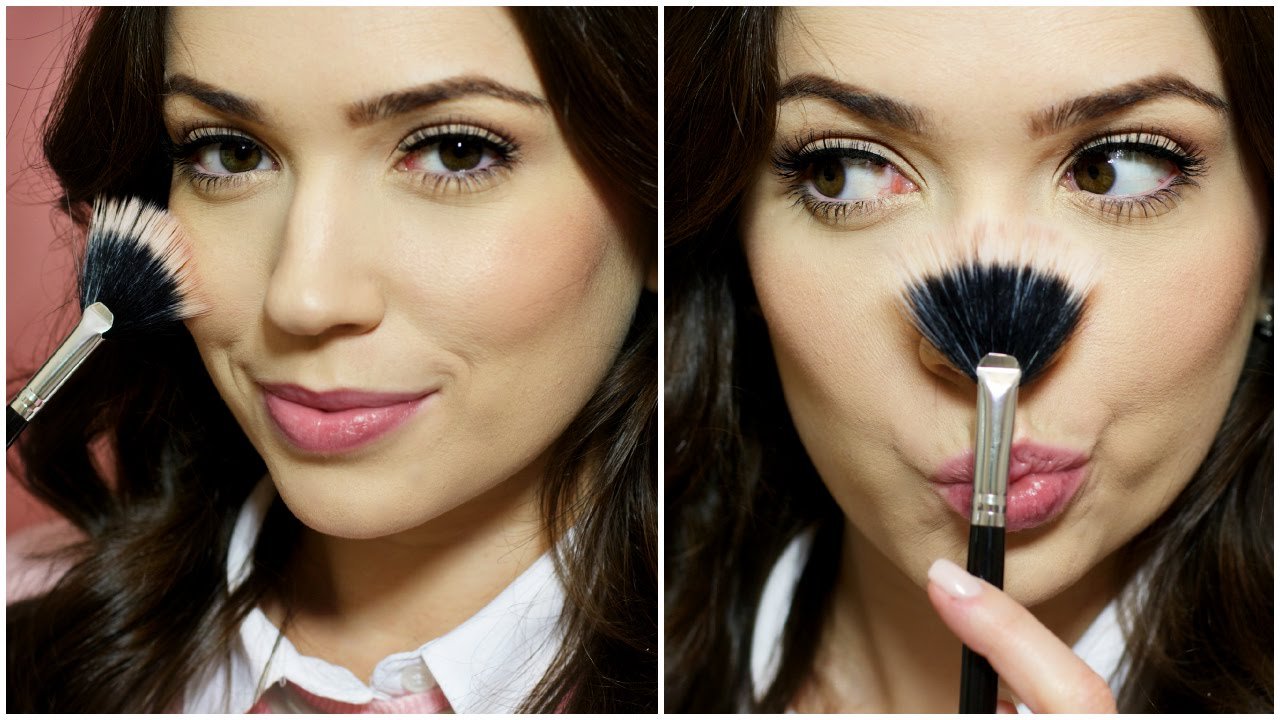
To use a fan brush effectively, hold it at an angle and lightly glide it over your canvas. This versatile tool is perfect for creating delicate textures and blending colors seamlessly. Experiment with different brush angles and pressures to achieve varying effects in your artwork. Whether you’re a beginner or a seasoned artist, mastering how to use a fan brush can elevate your painting techniques to a whole new level.

How to Use a Fan Brush: A Comprehensive Guide
Welcome, art enthusiasts! Today, we’re diving into the wonderful world of fan brushes and exploring the various ways you can use this versatile tool to enhance your artistic creations. Whether you’re a seasoned painter or just starting out, mastering the fan brush can add a new dimension to your work. Let’s uncover the secrets of how to use a fan brush effectively!
Understanding the Fan Brush
Before we delve into the techniques, let’s first understand what a fan brush is. A fan brush is a unique type of brush characterized by its flat, spread-out bristles that are shaped like a fan. This distinctive shape allows the brush to create soft, delicate strokes and blend colors seamlessly.
Choosing the Right Fan Brush
When it comes to selecting a fan brush, there are a few factors to consider. The size of the brush will determine the width of the strokes you can create. Larger fan brushes are ideal for covering larger areas quickly, while smaller brushes are better suited for detail work. Additionally, consider the bristle type – natural bristles work well with oil paints, while synthetic bristles are suitable for acrylics.
Techniques for Using a Fan Brush
Now, let’s explore some of the most popular techniques for using a fan brush:
1. Blending Colors
One of the fan brush’s primary functions is blending colors seamlessly. To achieve a smooth transition between two colors, load the brush with both colors and gently sweep it across the canvas in a back-and-forth motion. The soft bristles of the fan brush will create a beautiful gradient effect.
2. Creating Texture
Due to its unique shape, the fan brush is excellent for creating texture in your paintings. You can use the edge of the brush to add texture to trees, foliage, or even water surfaces. Experiment with different angles and pressure to achieve the desired effect.
3. Highlighting and Shading
When it comes to highlighting and shading, the fan brush offers precise control. Use the tip of the brush to add highlights to your subjects, such as catching the light on a wave or the sparkle in an eye. For shading, gently layer colors by applying light pressure with the brush.
4. Feathering Techniques
Feathering is a technique that involves creating soft, feather-like strokes. With a fan brush, you can achieve this effect by lightly dragging the bristles across the canvas. This technique works well for creating clouds, fur, or gentle wisps of hair.
Practice Makes Perfect
Like any artistic tool, mastering the fan brush takes practice. Don’t be discouraged if your first attempts don’t turn out as expected – embrace the learning process and keep experimenting with different techniques. The more you practice, the more comfortable you’ll become with using the fan brush to elevate your artwork.
In conclusion, the fan brush is a versatile and valuable tool that can enhance your painting skills and bring a new level of artistry to your work. By understanding how to use a fan brush effectively and practicing various techniques, you can unlock a world of creative possibilities. So, grab your fan brush, let your imagination soar, and watch your paintings come to life!
Fan Brush Painting Techniques for Acrylic
Frequently Asked Questions
How do I hold a fan brush properly?
To hold a fan brush correctly, grip the brush near the end of the handle using your dominant hand. Lightly rest your thumb on top of the handle for better control. Ensure a relaxed grip to allow for smooth movements when using the fan brush.
What are some techniques for using a fan brush in painting?
There are various techniques you can employ with a fan brush in painting, such as creating soft blending effects, adding texture to landscapes, and painting delicate details like grass or foliage. Experiment with gentle swiping motions, light flicks, and varying pressure to achieve different effects.
How can I clean a fan brush after using it?
To clean a fan brush, first, wipe off excess paint on a paper towel. Then, rinse the brush under warm water, gently massaging the bristles to remove remaining paint. Use a mild soap or brush cleaner to wash the bristles thoroughly. Finally, reshape the fan brush and let it air dry.
Final Thoughts
In conclusion, mastering the art of using a fan brush enhances your painting techniques. To use a fan brush effectively, hold it at an angle and gently flick the bristles for blending and creating textures. Experiment with different pressures to vary the effects produced by the fan brush. Practice is key to perfecting your skills with the fan brush and unlocking its full potential in your artwork.